
Restoration Services Across Texas
Thirteen services covering water, fire, mold, and biohazard situations, delivered by our own licensed and insured technicians, 24 hours a day, anywhere in the state.
Four Categories, Thirteen Services
Property damage in Texas tends to arrive in one of four shapes: water that got somewhere it should not be, fire and the soot and odor that follow it, mold that grew because moisture went unaddressed, or a biological situation that needs careful decontamination. Our thirteen services map onto those four categories.
Most real jobs cross more than one. A house fire brings water damage from firefighting. A slow leak behind a wall becomes a mold remediation project. A sewer backup is a water loss and a biohazard situation at the same time. We scope what is actually in front of us rather than booking you for a single service and discovering the rest later.
Every service below is available across all 926 Texas cities we cover, in all 254 counties, and the emergency line is staffed every hour of every day.
Water Damage
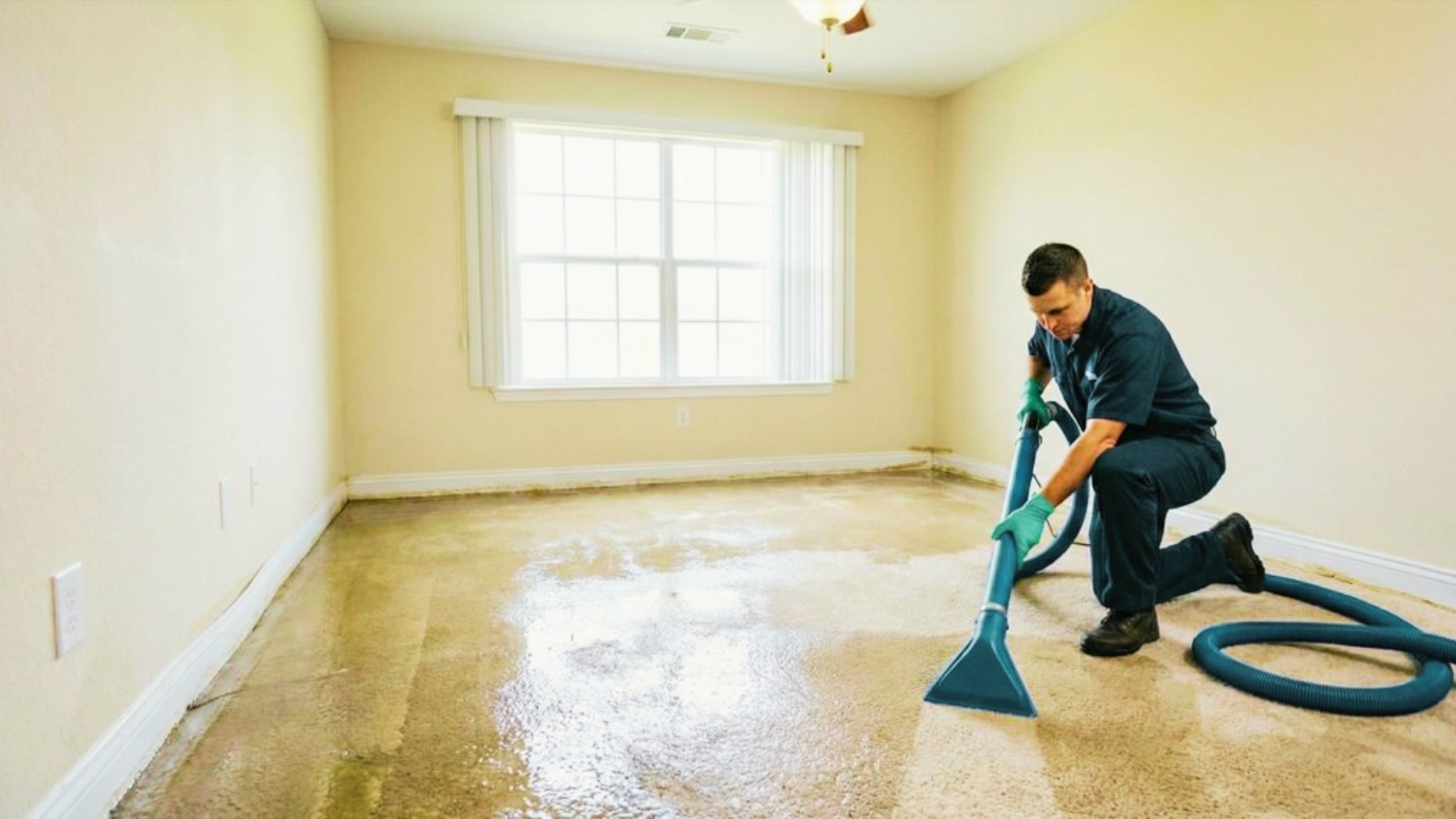
Water losses are the most common restoration call in Texas, and the most time-sensitive. What starts as a contained leak becomes a mold problem within roughly 24 to 48 hours.
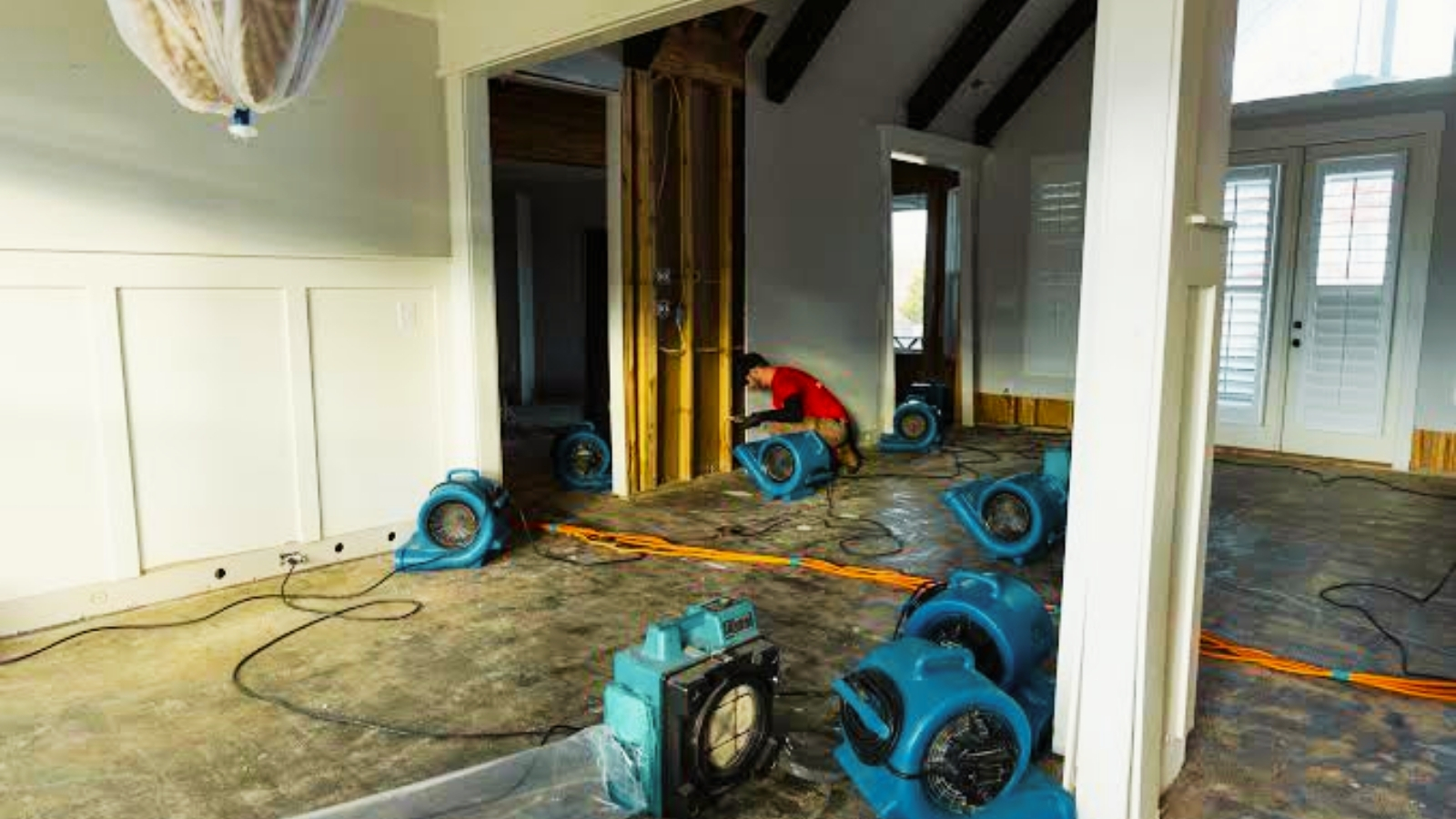
Our water services cover the full range of sources: supply line and appliance failures, storm and flood intrusion, winter freeze bursts, and sewer backups. The work is the same in principle every time, which is to remove the water, dry the structure to a verified target, and repair what cannot be saved. What changes is how contaminated the water is and how much material absorbed it, and those two variables drive everything from protective equipment to how much has to come out.
Water Damage Restoration
Rapid water extraction, structural drying, and full restoration after a leak, storm, or flood damages your Texas property.
Learn MoreFlood Damage Cleanup
Emergency flood water removal and cleanup for Texas homes and businesses impacted by storms, heavy rain, or overflow flooding.
Learn MoreBurst Pipe Repair & Cleanup
Emergency cleanup and water damage repair following a burst or frozen pipe inside your Texas home or business.
Learn MoreSewage Cleanup & Restoration
Safe, sanitary sewage backup cleanup and restoration for Texas properties affected by sewer line failures and black water intrusion.
Learn More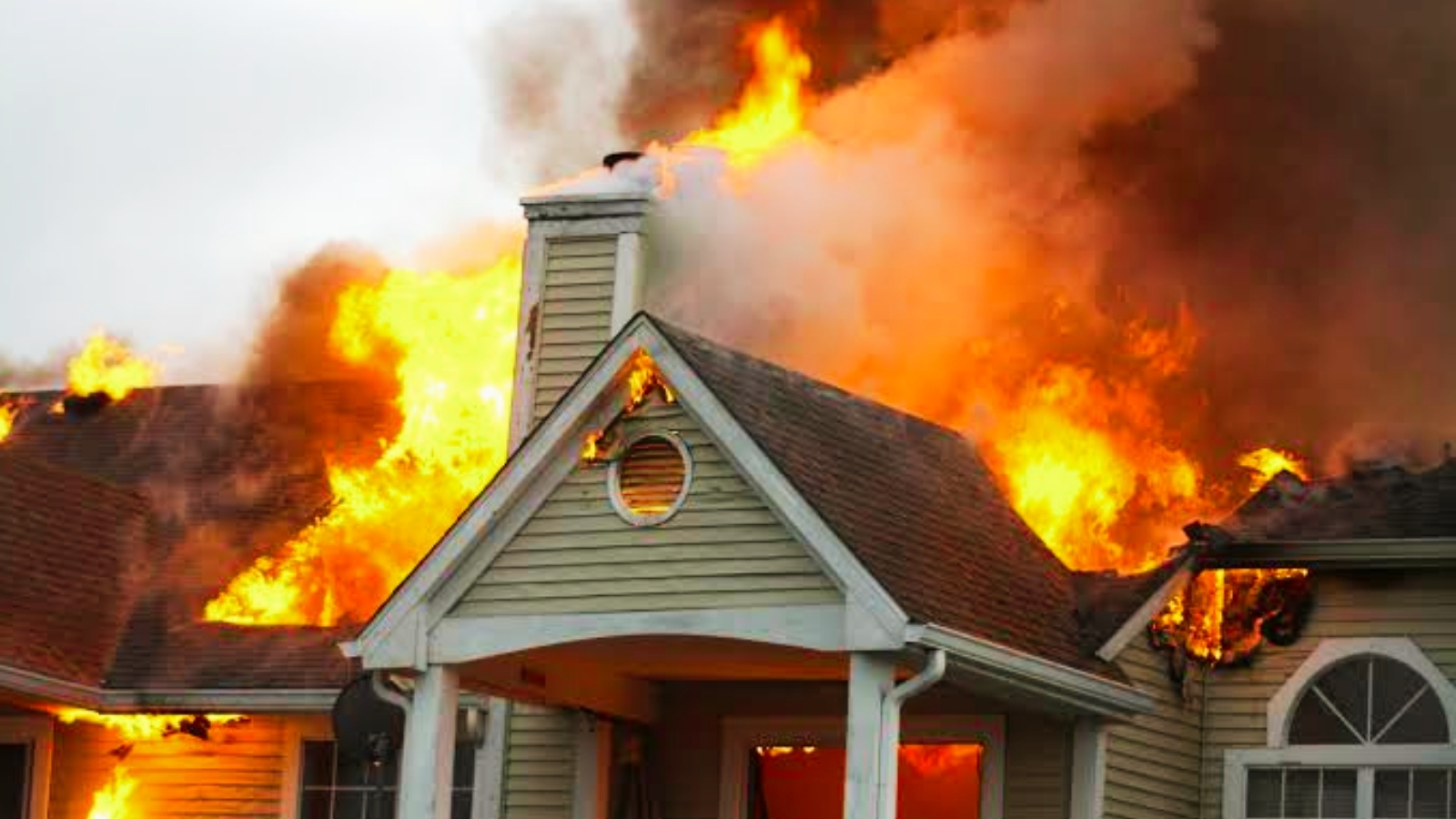
Fire Damage
Fire damage is rarely just fire. Most properties we see have soot and odor throughout, water damage from firefighting, and an opening in the structure that needs securing before weather makes it worse.
Soot residue is acidic, and it keeps etching metal, glass, and finishes for as long as it sits. Odor penetrates wall cavities, insulation, HVAC runs, and porous contents, which is why surface cleaning alone leaves a smell that returns in the first humid week. Our fire services address all three layers: securing the building, removing soot and odor at the source, and restoring what the fire and the water behind it damaged.
Fire Damage Restoration
Full-service fire damage restoration for Texas homes and businesses, from structural repair to smoke odor removal.
Learn MoreSmoke & Soot Cleanup
Specialized smoke and soot cleanup to remove residue and odor from walls, ceilings, HVAC systems, and belongings after a fire.
Learn MoreEmergency Board-Up & Tarping
Fast emergency board-up and roof tarping to secure and protect your Texas property after fire or storm damage.
Learn More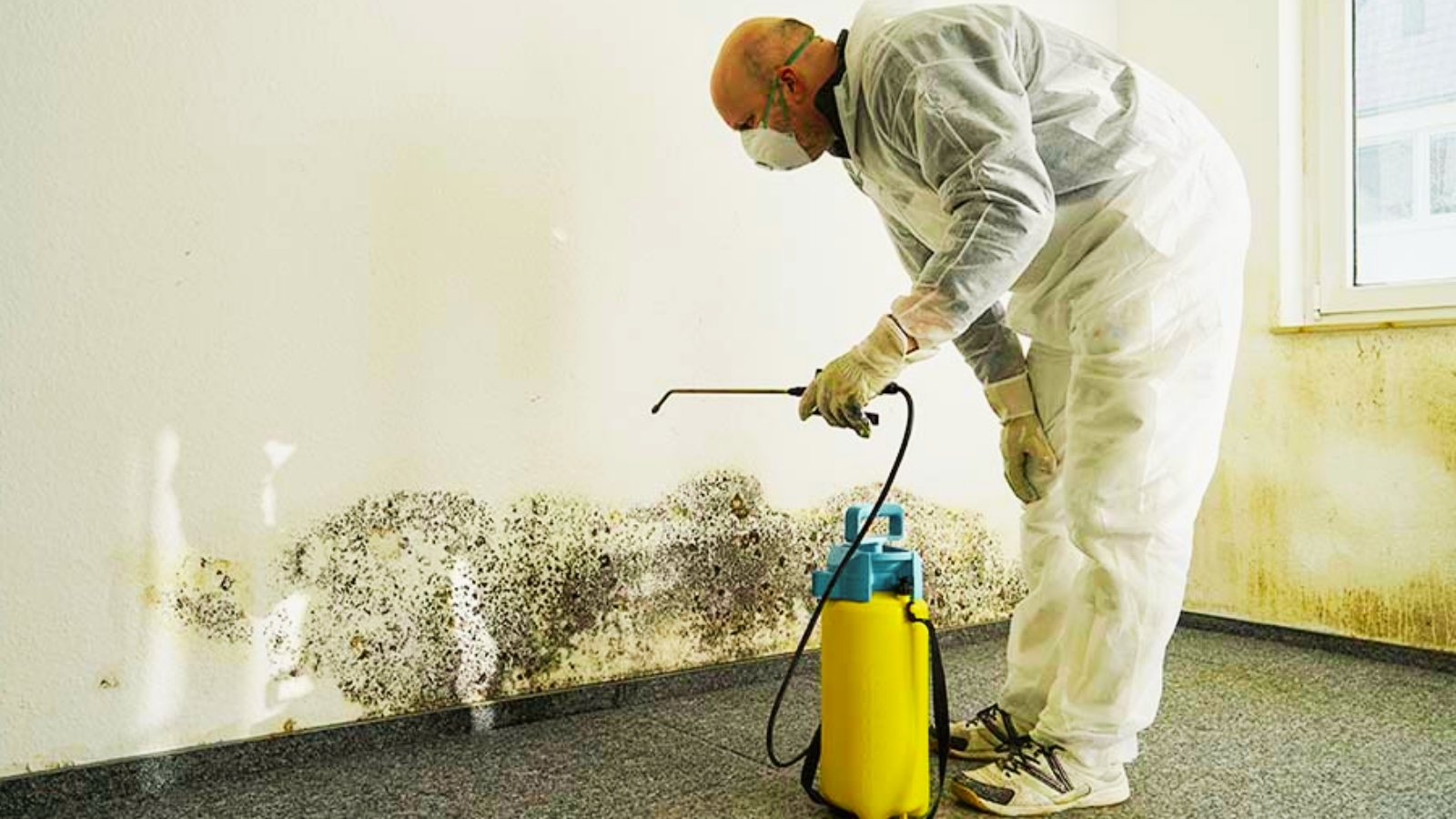
Mold Removal
Mold is a moisture problem that grew. Removing visible growth without fixing the source guarantees it returns, usually in the same place within a season.
Texas regulates this work. Mold remediation projects affecting 25 contiguous square feet or more require state licensing through the Texas Department of Licensing and Regulation, and the rules require the assessor and the remediator to be independent parties on licensed projects. Our mold services cover assessment, contained remediation, and the crawl space work that older pier-and-beam Texas homes frequently need, along with correcting the moisture source that allowed growth in the first place.
Mold Remediation
Certified mold remediation to safely remove mold colonies and address the moisture source in Texas homes and businesses.
Learn MoreMold Inspection & Testing
Professional mold inspection and testing to identify hidden mold growth and air quality issues in Texas properties.
Learn MoreCrawl Space Mold Removal
Targeted mold removal and moisture control for crawl spaces, a common problem area in humid Texas climates.
Learn More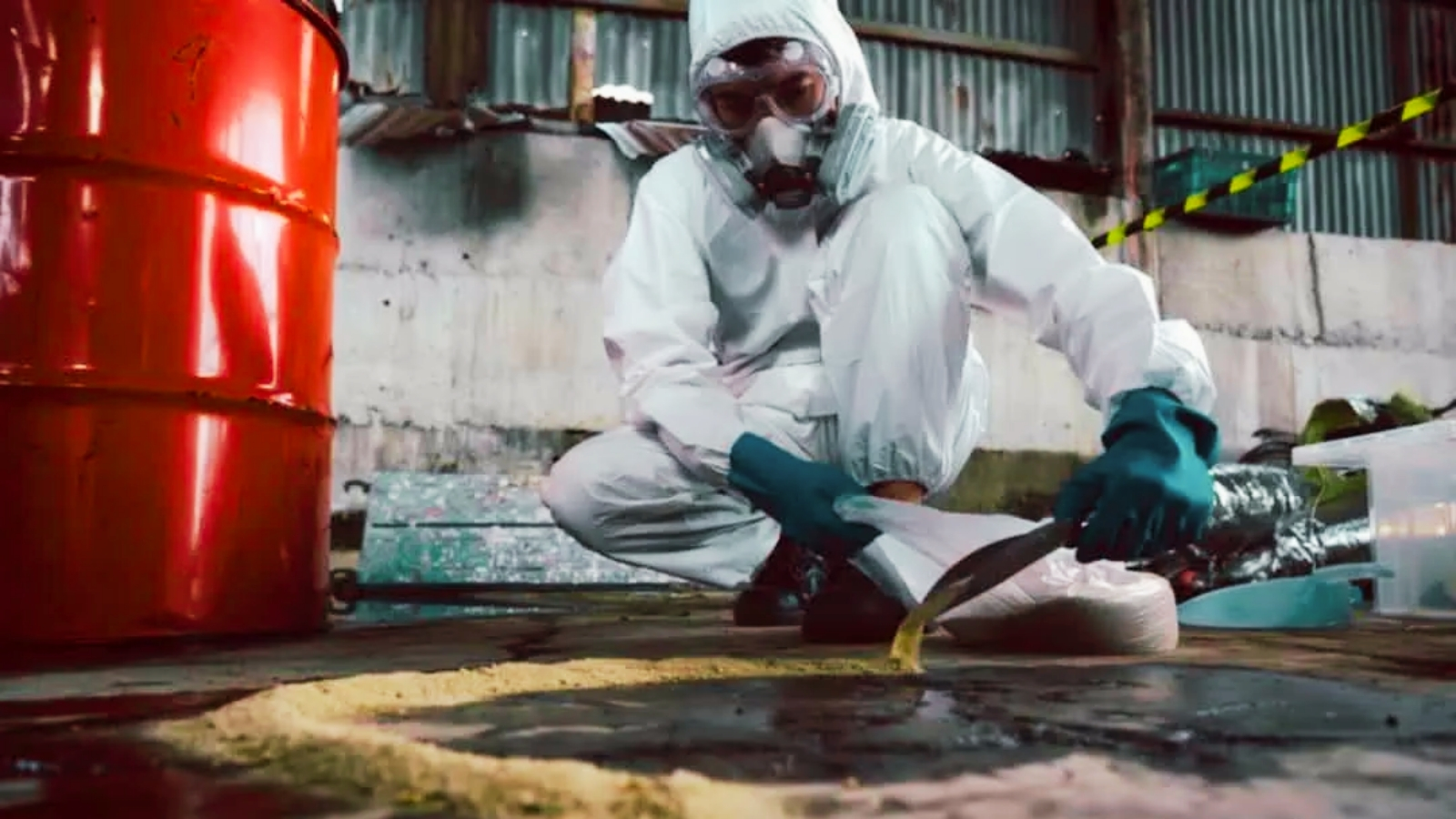
Biohazard Cleanup
These calls usually come during the worst week of someone’s life. The work is handled quietly, thoroughly, and without anyone in the family needing to see or manage the affected area.
Biological contamination penetrates further than the visible area, into flooring, subfloor, and wall cavities, which is why this is a remediation job rather than a cleaning job. Our crews work to the OSHA bloodborne pathogen standard, use EPA-registered disinfectants, and dispose of contaminated material as regulated waste. Vehicles are unmarked, and we coordinate with the authorities on scene release timing rather than pressing anyone to move faster than they can.
Biohazard Cleanup
Discreet, compliant biohazard cleanup and decontamination services for Texas homes and businesses.
Learn MoreCrime Scene Cleanup
Compassionate, professional crime scene and trauma cleanup services for Texas families and property managers.
Learn MoreHoarding Cleanup
Respectful, thorough hoarding cleanup services that help Texas families restore safety and order to their homes.
Learn MoreWhich Service Do You Need?
Match what you are seeing to the service that fits. If none of these quite describe it, call and we will work it out on the phone.
Water is visible or recently stopped
Start with water damage restoration. If the source was a pipe, add burst pipe repair. If water came in from outside at ground level, it is flood damage cleanup, which is handled differently because that water is contaminated.
Wastewater has backed up
That is sewage cleanup, regardless of how small the affected area looks. Wastewater is Category 3 water, so it needs containment and protective equipment rather than a mop and a household cleaner.
There has been a fire
Fire damage restoration covers the whole recovery. If the structure is open to weather or unsecured, emergency board-up comes first. If the fire was small but the smell is everywhere, smoke and soot cleanup is the service you want.
You can see or smell mold
If you already know where it is and the area is significant, mold remediation. If you suspect it but cannot find it, start with mold inspection, since Texas rules keep assessment and remediation separate on licensed projects.
The smell is coming from under the house
Crawl space mold removal. Pier-and-beam construction is common in older Texas neighborhoods and in East Texas, and a damp crawl space feeds humidity into the rooms above through the stack effect.
There has been a death, trauma, or severe neglect
Biohazard cleanup covers most of these situations, crime scene cleanup where law enforcement has been involved, and hoarding cleanup where conditions built up over time. All three are handled discreetly.
Getting the category right matters more than getting the exact service right. Water, fire, mold, and biohazard situations need different equipment on the truck and different protective measures before anyone starts work, so knowing which of the four you are dealing with is what lets us send the right crew the first time.
Within a category, the specific service often shifts once a technician inspects. A call booked as mold remediation turns out to be a plumbing leak that has been running behind a wall, which makes it a water job with a mold component. A smoke odor complaint turns out to be a failed HVAC condensate pan rather than anything related to fire. That reassessment is normal and it does not change your price, because we scope after inspecting rather than before.
If what you are seeing does not match anything above, call and describe it. Working out what you are actually dealing with is part of the job and it costs you nothing.
How We Work, Regardless of Service
- 1
One Call, One Company
You reach a person who can dispatch, not a call center that forwards your details elsewhere. The crew that arrives works for us, and the technician who assesses your property stays accountable through to completion.
- 2
Assessment Before Scope
We inspect before quoting. Moisture meters and thermal imaging establish how far damage has actually traveled, which is the difference between a scope built on evidence and one built on a guess.
- 3
Documented Work
Photos before anything is touched, daily readings while equipment runs, an itemized record of what was removed, and scope notes your adjuster can verify. The documentation exists whether or not you end up filing.
- 4
Verified Completion
Drying ends when readings meet target, not when a room looks finished. For mold work, Texas rules call for independent post-remediation verification, and we follow that process rather than signing off on our own work.
The Standards Our Methods Follow
Water restoration and structural drying follow the IICRC S500 standard, and mold remediation follows IICRC S520. In Texas, mold remediation is additionally regulated by the Texas Department of Licensing and Regulation, with licensing, notification, and work-plan requirements that apply at 25 contiguous square feet and above. Biohazard work follows the OSHA bloodborne pathogen standard and uses EPA-registered disinfectants with regulated waste disposal.
Every Service, Every Texas City
All thirteen services are available across the 926 cities we cover in all 254 Texas counties, including small communities and unincorporated areas.
Frequently Asked Questions
Which service do I need if I am not sure what I am looking at?
Call and describe what you are seeing. Most situations are identifiable over the phone from a few questions about the source, how much area is affected, and what it smells like. We would rather spend five minutes on that call than send the wrong crew.
Do you handle both the mitigation and the repairs afterward?
Yes. We handle the emergency work and the reconstruction that follows, so there is no gap between someone drying your property and someone rebuilding it. That gap is where most restoration projects stall.
Can one job involve several of these services?
Frequently. A house fire usually involves fire restoration, smoke and soot cleanup, emergency board-up, and water damage from firefighting. A long-running leak often becomes both water damage restoration and mold remediation. We scope the whole situation rather than treating one part of it.
Are all 13 services available in every city you cover?
Yes. All thirteen services are available across the 926 Texas cities we serve, including small communities and unincorporated areas. Travel time varies by location, which we tell you honestly on the call.
Do you work on commercial properties as well as homes?
Yes, across all services. Commercial work is sequenced differently because downtime is usually the larger loss, so we prioritize getting critical areas released first and document to the standard commercial carriers expect.
What does it cost?
It depends on the area affected, the contamination level, which materials were damaged, how much demolition is required, and whether contents need cleaning or storage. We assess the property and give you a written scope rather than quoting a figure over the phone, because a phone quote is a guess that tends to grow once work starts.
Is emergency service genuinely available at night and on holidays?
Yes. The line is staffed 24 hours a day, every day of the year. Water damage and fire damage both get worse by the hour, so after-hours calls are the normal case rather than the exception.
Not Sure Which Service You Need?
Call us 24/7 and describe what you are seeing. We will tell you what you are dealing with.
Call Now — (866) 370-1338