
Biohazard Cleanup in Texas
Discreet, compliant biohazard cleanup and decontamination services for Texas homes and businesses.
What Is Biohazard Cleanup?
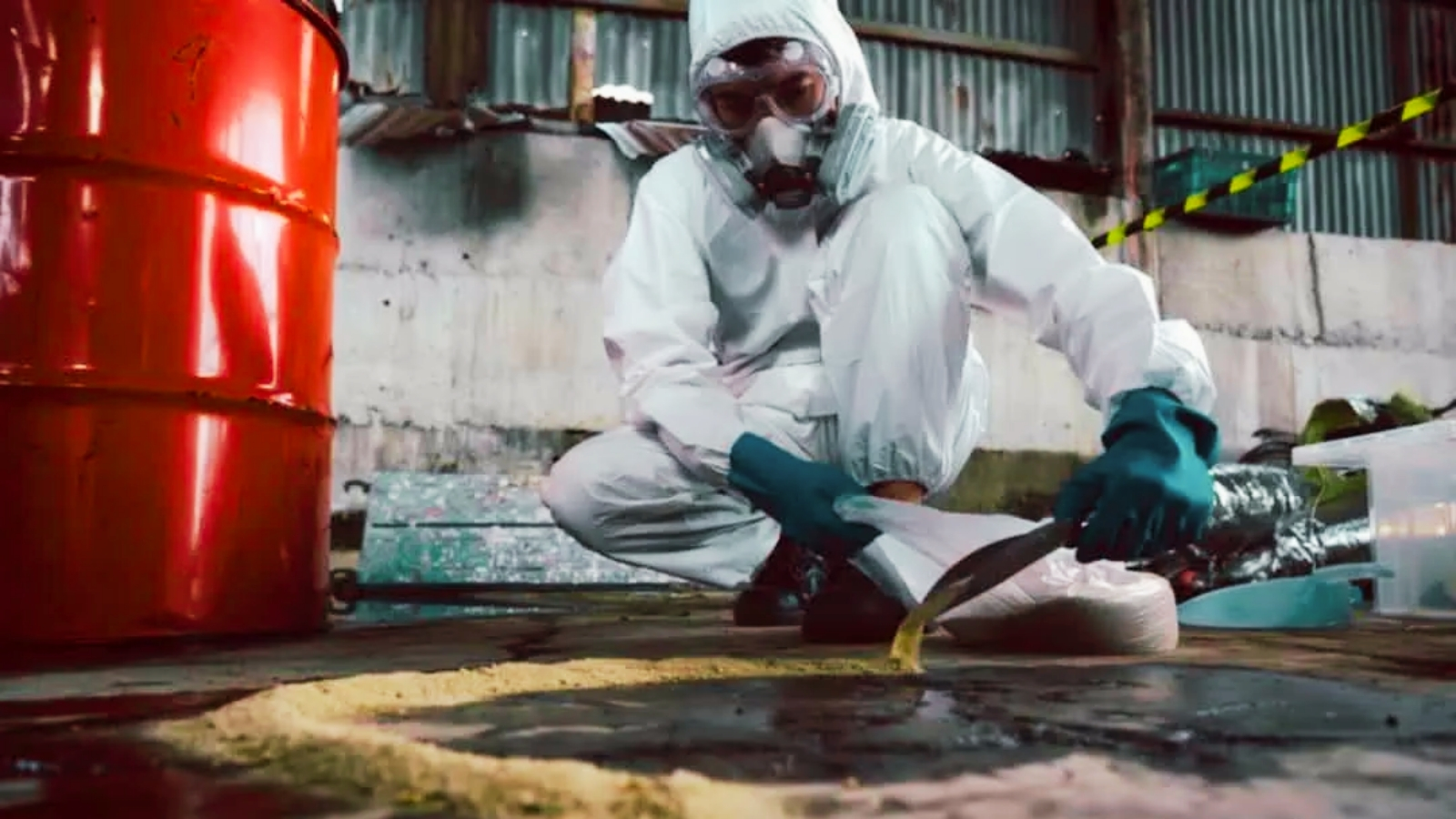
Biohazard cleanup is the decontamination of a property affected by blood, bodily fluids, or other potentially infectious material. It covers the removal of contaminated material, disinfection of everything that remains, treatment of odor at its source, and verification that the space is safe to use again.
The visible material is rarely the whole problem. Biological fluids pass through grout lines, under baseboards, between floorboards, and into subfloor, carpet padding, and drywall. Cleaning a surface leaves what soaked beneath it, which is why this work involves removing porous material rather than scrubbing it.
This work is governed by the OSHA Bloodborne Pathogens Standard, 29 CFR 1910.1030, which sets the requirements for protective equipment, exposure control, and the handling of contaminated material. Material we remove is handled and transported as regulated waste rather than household rubbish.
If you are a family member reading this, you are not expected to assess or clean any of it. Tell us what happened and where, and we will take it from there.
Biohazard situations — involving blood, bodily fluids, or other hazardous biological material — require specialized cleanup that goes beyond typical cleaning. These situations also carry significant emotional weight for the families and property owners involved.
Biohazard cleanup is handled with discretion, proper protective equipment, and strict compliance with health and safety regulations, ensuring the affected area is thoroughly and safely decontaminated.
What To Do Right Now
The steps that limit damage, and the common reactions that make it worse.
Do This Now
- Keep family members, children, and pets out of the affected room and close the door
- Leave everything in place if law enforcement or a medical examiner is still involved
- Turn off the HVAC system so air from the affected room is not circulated through the building
- Secure the property if it will be unoccupied, including exterior doors and windows
- Write down what you know about when the incident occurred, which helps us plan the scope
- Call us when you are ready, and understand that you do not need to be present while we work
Avoid Doing This
- ×Do not attempt the cleanup yourself, regardless of how contained the area appears
- ×Do not use household cleaners, which are not rated for bloodborne pathogens and will not decontaminate porous material
- ×Do not run fans or the air conditioning in the affected area
- ×Do not move or bag contaminated items, since they require regulated waste handling
- ×Do not place contaminated material in household bins or take it to a landfill
- ×Do not assume a cleaned surface means a decontaminated room, because contamination usually extends below what you can see
What Causes Biohazard Cleanup Situations
Understanding the source matters, because the same failure repeats until it is addressed.
Unattended Death
When a death goes undiscovered for a period, decomposition fluids reach flooring, subfloor, and sometimes the framing beneath. Odor penetrates the structure well past the visible area.
Accidents and Injuries
Serious injuries at home or at work leave blood and tissue on surfaces, in grout, and beneath flooring, all of which require regulated handling.
Medical Emergencies
A medical event at home can leave significant biological material behind, along with discarded medical supplies and sharps from the response.
Infectious Disease Exposure
Properties where an infectious illness has been present may need disinfection of surfaces, shared equipment, and high-contact areas using products rated for the pathogen involved.
Workplace and Industrial Incidents
Employers have exposure control obligations under OSHA when an incident leaves biological material at a worksite, and the area usually cannot reopen until it is decontaminated.
Animal and Pest Contamination
Animal remains, concentrated waste, and rodent infestation leave biological contamination and odor that ordinary cleaning cannot resolve.
How To Tell You Need This Service
Signs To Watch For
- Visible biological material on flooring, walls, furniture, or fixtures
- An odor that returns within hours of surface cleaning
- Staining that reappears through flooring or drywall after it has been cleaned or painted
- Insect activity concentrated around one area of the property
- Discoloration spreading across subfloor, carpet padding, or the base of a wall
- Sharps, used medical supplies, or discarded protective equipment left after an emergency response
- A property released by authorities following an incident, with the affected area untouched
When This Service Applies
- After an accident or medical emergency involving blood or bodily fluids
- Following an unattended death
- After exposure to other hazardous biological material
- When a property needs professional decontamination
Problems It Solves
- Biological contamination posing health risks
- Odor and staining from biological material
- Emotional difficulty of handling the situation personally
- Regulatory requirements for safe disposal of biohazard materials
What Happens While You Wait
Damage progresses on its own schedule. This is roughly how it unfolds.
Absorption Into Materials
Biological fluids move into porous surfaces on contact, passing through flooring seams and grout into subfloor and padding where surface cleaning cannot reach.
Bacterial Activity
Bacterial populations multiply in warm conditions, which is what produces the odor associated with these situations. Texas heat shortens this window considerably.
Structural Penetration
Fluids continue downward into subfloor and framing. Odor moves into adjacent rooms and into HVAC ductwork if the system has been running.
Wider Scope
Contamination and odor reach materials that then have to be removed, and the work expands from one room into the structure around it.
Our Process
What actually happens from the first call through to final verification.
- 1
Assessment
Our technician evaluates the scope of contamination and necessary precautions.
- 2
Containment
The affected area is contained to prevent cross-contamination.
- 3
Removal & Disposal
Contaminated materials are removed and disposed of in compliance with health regulations.
- 4
Decontamination
The area is thoroughly cleaned and disinfected using hospital-grade products.
- 5
Final Inspection
The space is inspected to confirm it has been properly decontaminated.
The Equipment We Use
Restoration outcomes depend on the right equipment used correctly, and on measuring the result.
Protective Equipment and Containment
Crews work in full protective equipment and seal the area before anything is disturbed, following the exposure control requirements of the OSHA standard.
HEPA Filtration and Negative Air
Negative air machines with HEPA filtration hold airborne contaminants inside the work area and keep them out of the rest of the property.
Regulated Waste Handling
Contaminated porous material is removed, contained, and transported as regulated medical waste under the handling rules that apply to it.
EPA-Registered Disinfectants
Hospital-grade disinfectants registered with the EPA for the relevant pathogens are applied with the dwell times those products require to work.
Enzyme Treatment
Enzyme-based products break down organic residue in the material itself, which addresses odor at its source instead of covering it.
Surface Verification
Treated surfaces are checked using ATP testing, which measures residual organic material and confirms the decontamination reached the standard we work to.
Types of Biohazard Situations
Biohazard work covers several distinct situations. Each carries different contamination patterns, handling requirements, and scope, which is why we assess the specific circumstances before quoting any work.
Blood and Bodily Fluid Incidents
Accidents, injuries, and medical emergencies that leave blood or tissue on surfaces. Contamination is usually concentrated but penetrates grout, seams, and subfloor. Work follows the OSHA Bloodborne Pathogens Standard throughout.
Unattended Death
The most extensive category, because fluids reach subfloor and framing while odor moves into the surrounding structure and ductwork. Flooring and affected drywall are removed to a clean margin, and odor treatment addresses the material rather than the air.
Disease Decontamination
Disinfection of a property where an infectious illness has been present, focused on high-contact surfaces, shared equipment, and air handling. Product selection depends on the specific pathogen and its required contact time.
Sharps and Medical Material
Properties left with needles, used medical supplies, or accumulated medical waste, often after in-home care or an emergency response. These require safe collection and disposal through regulated waste channels.
What's Included
- Biohazard material removal and disposal
- Full decontamination and disinfection
- Odor treatment
- Compliant, documented cleanup process
Homes and Businesses
The work differs depending on what the building has to do once we leave.
Residential
In a home, the priority is keeping the family away from the affected area and away from the work itself. We seal the room, control airflow so nothing moves into bedrooms or living space, and remove contaminated material before any cleaning begins. Families do not need to be present, and many choose not to be. If you would rather stay elsewhere while we work, tell us and we will arrange access and keep you updated by phone.
Commercial
For businesses, property managers, and landlords, an incident usually means part of the building cannot be used until it is decontaminated and documented. We contain the affected area so the rest of the operation can continue where that is safe, work outside business hours when it helps, and produce the record employers need to meet their exposure control obligations. Our vehicles carry no markings that identify the nature of the work.
Working With Your Insurance
Many Texas homeowner policies include some coverage for biohazard or trauma cleanup, often under a provision for property damage or debris removal. Coverage, limits, and deductibles vary by policy, so the specific language matters.
Where an incident involved a violent crime, the Texas Crime Victims’ Compensation Program, administered by the Office of the Attorney General, can assist eligible victims and their families with certain expenses, including crime scene cleanup. Eligibility rules, limits, and filing deadlines are set by the program.
Commercial property policies and general liability coverage may respond to workplace incidents, though the applicable policy depends on how and where the incident occurred.
We photograph conditions before work begins, document the materials removed and the products used, and provide a scope your adjuster or the compensation program can review. The coverage decision rests with the insurer or the program.
What We Provide For Your Claim
Photo documentation of conditions before work begins, daily readings logged throughout, an itemized record of affected materials, and scope documentation your adjuster can verify. We coordinate directly with most major carriers. The coverage decision always rests with your insurer, and we do not promise an outcome.
What Affects the Cost
We assess the property before quoting, because the variables below change the scope substantially.
- The area affected and how far contamination extended beyond the visible material
- How long the material was present before the work began
- Whether contamination reached subfloor, framing, or wall cavities
- Volume of porous material requiring removal and regulated waste disposal
- Severity of odor and whether structural odor treatment is needed
- Containment requirements and the size of the controlled work area
- Whether HVAC ductwork was running and needs cleaning or treatment
- Reconstruction scope once decontamination is complete and verified
Why We Don't Quote Over the Phone
A figure given before anyone has seen the property is a guess, and the guesses that sound attractive on the phone tend to grow once work starts. We inspect, scope the job against what we actually find, and give you that in writing.
How Long It Takes
A contained incident affecting a single room is often completed within a day, including removal, disinfection, and verification.
Situations involving decomposition, or contamination that reached subfloor and framing, generally run two to four days because material removal and odor treatment take longer and have to be verified before the space is released.
Reconstruction is a separate phase that follows. Its length depends on how much flooring, drywall, and cabinetry was removed, and it can be scheduled whenever the family or property owner is ready.
Why Texans Choose Us for Biohazard Cleanup
Discreet Arrival
Our vehicles carry no markings identifying the nature of the work, and crews arrive without announcing the reason for the visit to neighbors.
OSHA-Compliant Throughout
Containment, protective equipment, and waste handling follow the Bloodborne Pathogens Standard from the first minute rather than where it is convenient.
Families Need Not Be Present
We coordinate access, work without the family on site, and keep you informed by phone if that is easier than being there.
Documented Decontamination
Materials removed, products applied, and verification results are recorded, which supports insurance claims and employer obligations.
Biohazard Cleanup Across Texas
Our biohazard cleanup technicians operate under state and federal regulations for handling and disposing of biohazardous material, and we emphasize discreet, compassionate service for families and property managers during a difficult time.
247 Restore Texas provides licensed, insured biohazard cleanup across all 926 Texas cities we cover, from major metros to small communities and unincorporated areas. Rural properties get the same equipment, process, and documentation as metro jobs.See all service areas →
Biohazard Cleanup in Your City
Select a major metro, or browse the full statewide directory.
Frequently Asked Questions
Who typically calls for biohazard cleanup?
Families, landlords, property managers, and sometimes law enforcement or coroners' offices refer biohazard cleanup needs.
Is biohazard cleanup covered by insurance?
Many homeowner and business policies include some coverage for biohazard or trauma cleanup. Check your policy or ask our team for help.
How discreet is the cleanup process?
Our technicians prioritize discretion, often using unmarked vehicles and working respectfully with family wishes.
What happens to contaminated materials?
They are removed and disposed of according to health and safety regulations for biohazardous waste.
How long does biohazard cleanup take?
Timing varies by scope, from a few hours for a contained incident to a few days for more extensive situations.
Do I have to be at the property while you work?
No. We can coordinate access with you, a family member, a property manager, or law enforcement, and work without anyone from the family on site. Many people prefer that, and we will keep you updated by phone.
Will my neighbors know what happened?
Our vehicles carry no markings identifying the type of work, and crews do not discuss the situation outside the property. Discretion is part of how this service is run rather than something you need to request.
Why does flooring have to be removed when the surface looks clean?
Biological fluids pass through flooring seams, grout, and carpet backing into the padding and subfloor underneath. Surface cleaning leaves that material in place, which is what causes odor to return and contamination to persist.
What happens to the material you remove?
Contaminated porous material is contained at the property and handled as regulated medical waste, with transport and disposal through the channels required for that classification. We document what was removed.
How do you know the area is actually decontaminated?
We verify treated surfaces using ATP testing, which measures residual organic material rather than relying on appearance. The results are recorded as part of the documentation you receive.
Need Biohazard Cleanup Now?
Get a licensed technician to your property. Free estimate, no obligation.
Call Now — (866) 370-1338