
Mold Remediation in Texas
Certified mold remediation to safely remove mold colonies and address the moisture source in Texas homes and businesses.
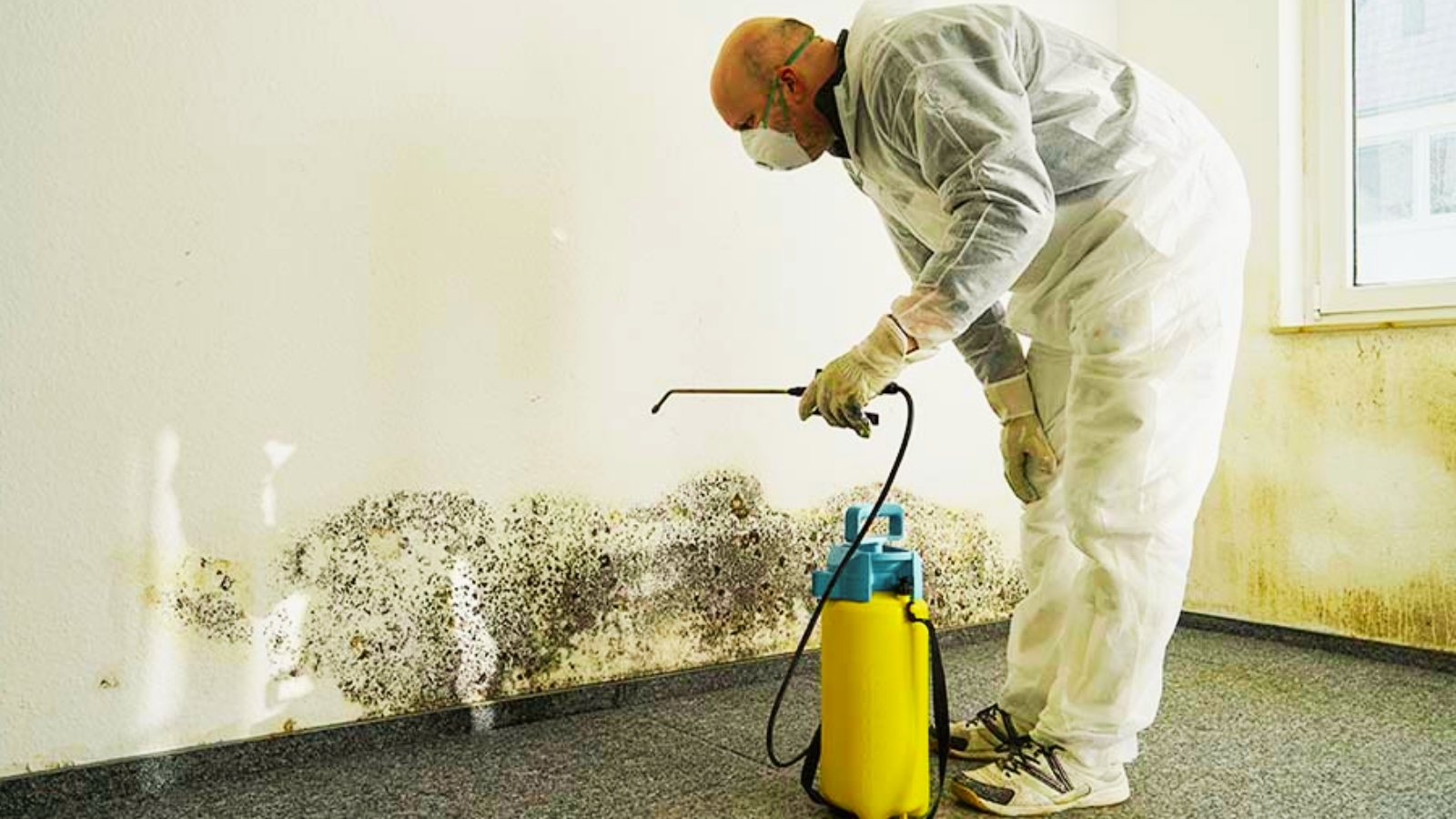
What Is Mold Remediation?
Mold remediation is the controlled removal of mold-contaminated material and the correction of the moisture that allowed it to grow. The word remediation is used rather than removal because mold spores exist in every indoor environment. The goal is to take the affected area back to normal background levels and eliminate the active growth, which is achievable, rather than to sterilize a building, which is not.
The moisture source governs everything. Mold is a symptom of a water problem, so remediation that cleans the visible growth without finding and fixing what kept the material wet will fail. We trace the source first, whether that is a roof penetration, a supply line, a failed seal around a tub, condensation on uninsulated ductwork, or ground moisture rising through a crawl space.
Our methods follow the IICRC S520 standard, which is the industry reference for mold remediation. In Texas the work also sits under state law: mold remediation is regulated by the Texas Department of Licensing and Regulation under Texas Occupations Code Chapter 1958 and 16 Texas Administrative Code Chapter 78, and projects at or above a defined size carry licensing, notification, and written work plan requirements.
Mold needs only moisture, warmth, and time to establish itself — conditions that are common after any water intrusion, in humid climates, or in poorly ventilated spaces. Once established, mold can spread through wall cavities, HVAC systems, and porous materials.
Mold remediation is the process of safely removing mold colonies, addressing the moisture source that allowed them to grow, and preventing the problem from returning.
What To Do Right Now
The steps that limit damage, and the common reactions that make it worse.
Do This Now
- Stop the water source if you can identify it, since growth continues as long as the material stays wet
- Close doors to the affected room and keep the area undisturbed until it can be assessed
- Keep children, older adults, and anyone with asthma or a compromised immune system out of the space
- Turn off the HVAC system if growth is near a vent, a return, or inside ductwork
- Photograph the growth and any water staining around it before anything is cleaned or moved
- Note when you first saw it and what happened before, because that history often identifies the source
Avoid Doing This
- ×Do not scrub, brush, or dry-wipe visible mold, which releases large numbers of spores into the air
- ×Do not point a fan at the growth or open windows to air the room out, since both spread spores through the building
- ×Do not paint or seal over mold, which hides the growth while it continues underneath
- ×Do not rely on household bleach on porous materials such as drywall and bare wood, because it does not reach growth below the surface
- ×Do not tear out walls or flooring yourself without containment, as uncontrolled demolition is how a contained problem becomes a building-wide one
- ×Do not ignore a musty smell because nothing is visible, since the odor usually means growth inside a cavity
What Causes Mold Remediation Situations
Understanding the source matters, because the same failure repeats until it is addressed.
Unresolved Water Damage
Any water intrusion that was dried incompletely leaves moisture inside wall cavities and subfloor, which is the most common precursor to mold growth we find.
Slow Plumbing Leaks
A weeping supply line or drain connection behind a wall or under a cabinet keeps material at a steady moisture content, which is ideal for colonization.
High Indoor Humidity
Sustained indoor humidity above roughly 60 percent supports growth on its own without any leak, which makes Texas summers a year-round risk factor.
HVAC Condensation
Oversized systems that short-cycle, uninsulated ducts in hot attics, and blocked condensate drains all produce standing moisture inside the air system itself.
Building Envelope Failures
Hail-damaged roofing, failed window flashing, and gaps in exterior sealant let water into assemblies where it has no path to dry.
Poor Ventilation
Bathrooms without working exhaust fans, closed-off rooms, and unvented crawl spaces hold moist air against surfaces long enough for growth to establish.
How To Tell You Need This Service
Signs To Watch For
- A persistent musty or earthy smell that returns after cleaning
- Visible growth in black, green, gray, or white patches on walls, ceilings, grout, or trim
- Discoloration or dark staining spreading across drywall, especially near the floor or ceiling line
- Paint that bubbles, peels, or lifts away from the wall
- Warped trim, soft drywall, or flooring that has cupped
- Allergy-type symptoms that improve when you leave the building and return when you come back
- Condensation on windows, ducts, or interior walls in a room that feels humid compared with the rest of the property
When This Service Applies
- Visible mold appears on walls, ceilings, or other surfaces
- A musty odor is present without visible mold
- Mold develops after a water damage event
- A mold inspection confirms elevated mold levels
Problems It Solves
- Visible mold growth on walls, ceilings, or surfaces
- Musty odors indicating hidden mold growth
- Health irritation for sensitive individuals
- Spreading mold through HVAC systems
- Underlying moisture issues that allow regrowth
What Happens While You Wait
Damage progresses on its own schedule. This is roughly how it unfolds.
Growth Establishes
Given moisture and ordinary room temperature, mold can begin establishing on building materials within roughly 24 to 48 hours. At this point nothing is visible and the only clue is often that something still feels damp.
Visible Colonization
Colonies become visible on surfaces and the characteristic musty odor develops. Drywall paper, wood framing, and insulation all support growth, and the area affected expands outward from the wettest point.
Spread Through Cavities
Growth moves through wall and ceiling cavities along the moisture, and spores entering a return vent are distributed through the HVAC system to rooms that had no water problem at all.
Material and Structural Damage
Mold digests the material it grows on. Drywall loses integrity, wood framing and subfloor soften and weaken, contents and stored belongings become unsalvageable, and remediation scope expands well past the original wet area.
Our Process
What actually happens from the first call through to final verification.
- 1
Inspection
Our technician identifies the extent of mold growth and the moisture source feeding it.
- 2
Containment
The affected area is contained to prevent mold spores from spreading during remediation.
- 3
Mold Removal
Mold-affected materials are safely removed or treated using appropriate techniques.
- 4
Cleaning & Air Treatment
Surfaces and air are treated to address remaining spores.
- 5
Moisture Correction
The underlying moisture source is addressed to help prevent mold from returning.
The Equipment We Use
Restoration outcomes depend on the right equipment used correctly, and on measuring the result.
Containment Barriers
The work area is sealed with polyethylene sheeting and a decontamination entry so spores disturbed during removal stay inside the contained zone.
Negative Air Machines
HEPA-filtered negative air equipment holds the contained area at lower pressure than surrounding space, so air moves into the containment rather than out of it.
HEPA Air Scrubbers
Air scrubbers run throughout removal to capture airborne spores and particulate, and continue running after removal to clear the air before containment comes down.
Controlled Removal
Contaminated porous material is cut out to a clean margin beyond the visible growth, bagged inside the containment, and carried out sealed.
Moisture Meters and Thermal Imaging
Readings and thermal differences locate the wet material feeding the growth and define how far the affected area actually extends behind finishes.
HEPA Vacuuming and Antimicrobial Treatment
Remaining surfaces are HEPA vacuumed and treated with EPA-registered products, which works only after the contaminated material itself has been removed.
How Texas Regulates Mold Remediation
Texas is one of relatively few states with a licensing framework specific to mold. The Texas Department of Licensing and Regulation administers it under Texas Occupations Code Chapter 1958 and 16 Texas Administrative Code Chapter 78. The size of the affected area determines which requirements apply, and understanding that threshold tells you whether you are looking at a regulated project or something smaller.
Small Areas
Where mold covers less than 25 contiguous square feet, the state licensing requirements generally do not apply. A small patch on bathroom grout or a contained spot behind a leaking fixture is often something a homeowner can address directly once the moisture source is repaired. We will tell you if that is what you are dealing with rather than scoping work you do not need.
Licensed Projects
At or above 25 contiguous square feet, the project falls under the state framework. That brings licensing requirements, notification to TDLR before work begins, and a written remediation work plan prepared from an assessment. Containment, controlled removal, and documented procedures are part of the regulatory expectation rather than optional practice.
Assessment and Remediation Stay Separate
Texas rules prohibit the same party from performing both the mold assessment and the mold remediation on the same project. The assessment, the work plan, and the clearance that follows come from a licensed assessor who is independent of the company doing the removal. We tell you which role we are filling on your project before any work starts.
Clearance and Certificate
A licensed assessor performs post-remediation assessment to verify the work before containment is removed. On a licensed project the property owner receives a certificate of mold damage remediation, which Texas law requires you to pass to a buyer if you later sell the property. Texas Insurance Code provisions also address how prior, properly remediated mold damage is treated in coverage decisions, which is one reason the paperwork matters beyond the job itself.
What's Included
- Mold containment and removal
- Treatment of affected surfaces
- Air quality treatment
- Moisture source guidance
- Repair of materials removed during remediation
Homes and Businesses
The work differs depending on what the building has to do once we leave.
Residential
In homes the priority is keeping the rest of the house usable while the affected area is worked. We seal the containment, run negative air so nothing migrates into bedrooms and living space, and sequence the work so your family can stay in the property wherever that is safe. Bathrooms, laundry areas, and the wall behind kitchen plumbing are the places we find growth most often in Texas housing, along with attics where a roof leak or condensation on ductwork has been feeding material for months.
Commercial
Commercial mold work carries obligations to tenants, employees, and sometimes a regulator on top of the remediation itself. Offices, schools, medical suites, and multifamily buildings all have occupants who need to be kept clear of the containment and informed about scope. We plan containment and negative air around continued operation where that is safe, schedule disruptive phases outside working hours where we can, and prepare documentation expecting that building management, a carrier, and possibly legal counsel will all review it.
Working With Your Insurance
Texas policies commonly cover mold when it results from a sudden, covered water event such as a burst supply line, and commonly exclude it when it results from long-term seepage, humidity, or deferred maintenance. The cause of the moisture, rather than the mold itself, usually decides the claim.
Many Texas policies carry a specific mold sublimit that is considerably lower than the dwelling limit, and some carriers offer increased mold coverage as a separate endorsement. Checking that limit before you have a problem is worth the phone call.
Documenting the moisture source matters more on mold claims than on almost any other kind. We record where the water came from, how far it traveled, and what condition materials were in before removal, because that record is what distinguishes a covered sudden event from an excluded gradual one.
On licensed projects the certificate of mold damage remediation becomes part of the property record. Texas Insurance Code provisions address how a carrier may treat prior mold damage where that certificate exists, so keeping it with your property documents protects you in future transactions and coverage decisions.
What We Provide For Your Claim
Photo documentation of conditions before work begins, daily readings logged throughout, an itemized record of affected materials, and scope documentation your adjuster can verify. We coordinate directly with most major carriers. The coverage decision always rests with your insurer, and we do not promise an outcome.
What Affects the Cost
We assess the property before quoting, because the variables below change the scope substantially.
- Square footage of contiguous growth, which also determines whether the project falls under state licensing requirements
- How many separate areas of the property are affected and whether growth crosses between floors
- Which materials are contaminated, since porous material is removed while non-porous surfaces can often be cleaned
- Containment complexity, including the number of zones and whether occupied space must stay in use
- Whether HVAC ductwork or equipment is contaminated and needs cleaning or replacement
- How much demolition is needed to reach growth inside wall cavities, ceilings, or under flooring
- The repair needed at the moisture source, from a plumbing fix to roofing or drainage work
- Contents cleaning, HEPA vacuuming, and whether belongings require off-site treatment or disposal
Why We Don't Quote Over the Phone
A figure given before anyone has seen the property is a guess, and the guesses that sound attractive on the phone tend to grow once work starts. We inspect, scope the job against what we actually find, and give you that in writing.
How Long It Takes
A contained area in a single room commonly takes two to four days, covering setup, removal, cleaning, and the air scrubbing period before containment comes down.
Growth across multiple rooms, inside HVAC systems, or behind extensive finishes runs a week or more, since each zone needs its own containment and the removal phase lengthens with the area involved.
Post-remediation assessment adds time at the end, because an independent assessor has to inspect and in most cases wait for laboratory results before clearance is issued. Rebuilding what was removed is a separate phase that follows clearance.
Why Texans Choose Us for Mold Remediation
We Find the Water First
Every remediation starts with locating the moisture source, because growth returns to material that stays wet no matter how carefully the visible mold was removed.
Containment on Every Job
Negative air and sealed containment are standard rather than reserved for large projects, since disturbing growth without them spreads spores into rooms that had no problem.
Texas Rules Explained Plainly
We tell you where your situation sits against the 25 square foot threshold, which role we are filling on the project, and what documentation you should end up holding.
Honest About Small Jobs
If your situation is a small patch that you can handle once the leak is fixed, we say so. Scoping unnecessary remediation is not how we want to earn work.
Mold Remediation Across Texas
Texas' humid Gulf Coast climate and hot, moisture-heavy summers across much of the state create favorable conditions for mold growth, particularly after water damage events or in homes with inadequate ventilation in crawl spaces, attics, and bathrooms.
247 Restore Texas provides licensed, insured mold remediation across all 926 Texas cities we cover, from major metros to small communities and unincorporated areas. Rural properties get the same equipment, process, and documentation as metro jobs.See all service areas →
Mold Remediation in Your City
Select a major metro, or browse the full statewide directory.
Services That Often Go Together
Mold Inspection & Testing
Professional mold inspection and testing to identify hidden mold growth and air quality issues in Texas properties.
Crawl Space Mold Removal
Targeted mold removal and moisture control for crawl spaces, a common problem area in humid Texas climates.
Water Damage Restoration
Rapid water extraction, structural drying, and full restoration after a leak, storm, or flood damages your Texas property.
Frequently Asked Questions
Is all mold dangerous?
Mold can cause health irritation for some people, especially those with allergies, asthma, or weakened immune systems. Any significant mold growth should be addressed.
Is mold remediation covered by homeowners insurance in Texas?
Coverage varies by policy and cause. Mold resulting from a sudden covered event (like a pipe burst) is more likely to be covered than mold from long-term neglect. Check your policy.
How long does mold remediation take?
Typically a few days to a week depending on the extent of mold growth and affected area.
Will mold come back after remediation?
If the underlying moisture source is properly addressed, the risk of regrowth is significantly reduced.
Do I need a mold inspection before remediation?
An inspection helps confirm the extent of the problem and guide the remediation plan, though visible, confirmed mold can sometimes move straight to remediation.
Does Texas require a license for mold remediation?
Yes, for projects at or above 25 contiguous square feet. The Texas Department of Licensing and Regulation administers mold licensing under Texas Occupations Code Chapter 1958 and 16 TAC Chapter 78, which also requires notification before work begins and a written remediation work plan. Below that threshold the licensing requirements generally do not apply.
Can the same company inspect and then remediate my mold?
Not on a licensed project in Texas. State rules keep the mold assessor and the mold remediator independent of each other, so the party writing the work plan and issuing clearance cannot be the party doing the removal. We tell you which role we are filling on your project before work starts.
How dangerous is black mold?
Stachybotrys, which is what people usually mean by black mold, is one of many species that can grow indoors, and several unrelated molds are also dark in color. Any substantial indoor growth is worth remediating because of allergic reactions, asthma aggravation, and irritation, with higher concern for immunocompromised people. Identifying the species rarely changes the remediation approach.
Will mold come back after remediation?
It returns if the moisture does. Remediation that removes contaminated material and corrects the water source holds, while remediation that treats only the visible growth fails within months. This is why we trace and document the source before scoping removal.
Do I need air testing before remediation?
Where growth is visible and the source is obvious, testing often adds cost without changing what has to be done. Testing earns its place when mold is suspected but not visible, when the extent is unclear, or when clearance is required after a licensed project. An assessment also produces the work plan that licensed projects require.
Need Mold Remediation Now?
Get a licensed technician to your property. Free estimate, no obligation.
Call Now — (866) 370-1338