
Texas Service Areas
Licensed, insured restoration in 926 Texas cities across all 254 counties, from Panhandle towns to Gulf Coast communities. Find your city below.
Call Now — (866) 370-1338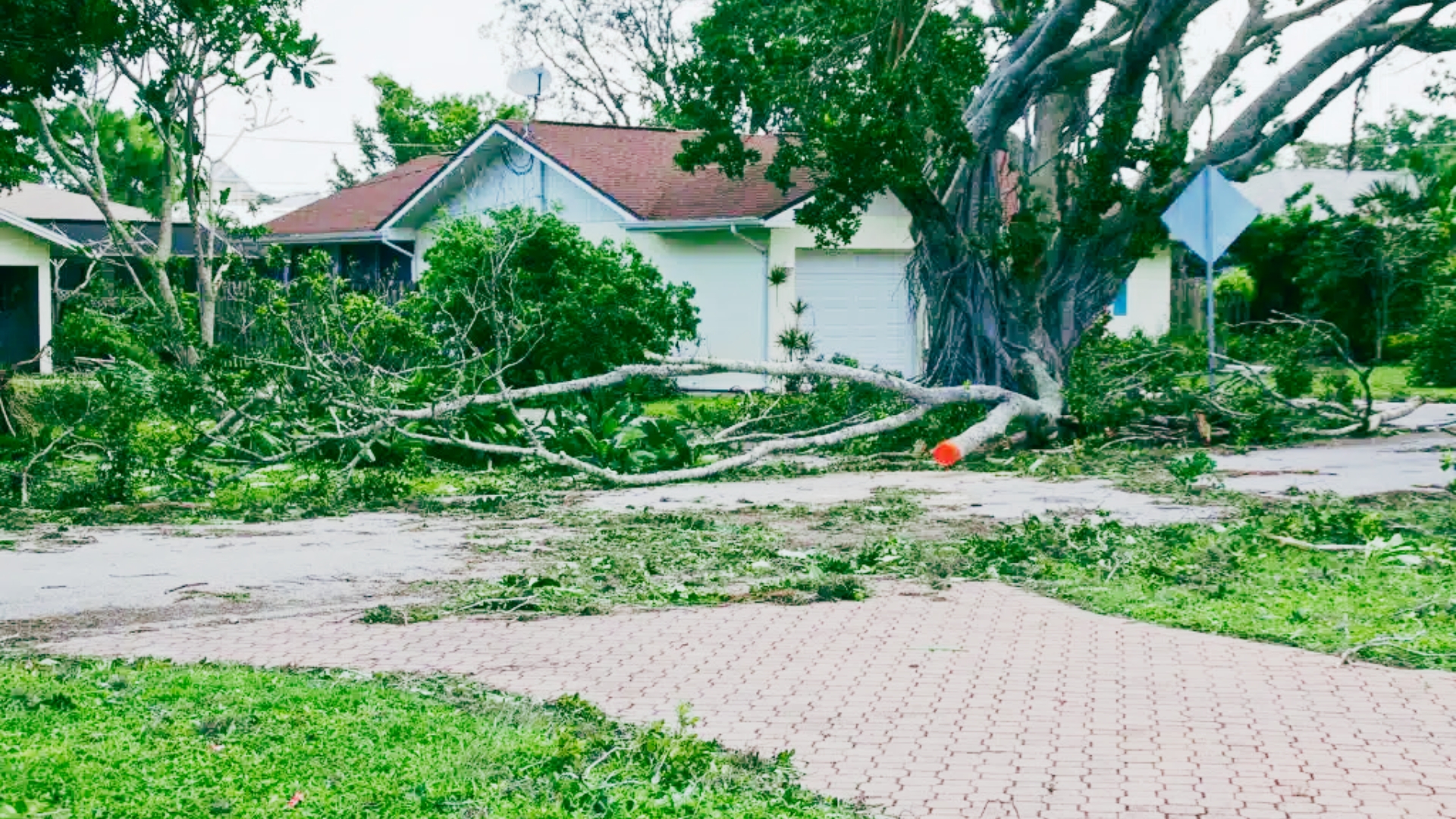
Why We Cover the Whole State
Restoration companies usually operate in territories, and territories are drawn around population density. That works until the emergency happens somewhere the map says is not worth the drive, which is how a property two hours outside a metro ends up calling six companies before one agrees to come.
We cover 926 cities across all 254 Texas counties on purpose, and a large share of them are small communities and unincorporated areas. All thirteen services are available in every one of them, with the same equipment, the same process, and the same documentation we would bring to a job in Houston.
Damage in Texas also varies enormously by region, which is why the sections below group cities by the conditions that actually drive the calls we take there.
Major Texas Metros
Our highest-volume service areas. Every other city on this page gets the same coverage.
Gulf Coast
82 citiesThe most humid part of the state, and the part that takes tropical systems directly. Materials here dry more slowly than anywhere else in Texas, so water that reaches a wall cavity stays wet without mechanical drying.
Common damage drivers: Tropical storms and hurricanes, storm surge, sustained humidity, humidity-driven mold
North Texas
155 citiesHail Alley runs through here, and hail-damaged roofing is one of the most common paths water takes into a North Texas home. Expansive clay soils move with every wet and dry cycle, stressing supply lines under and through slabs.
Common damage drivers: Large hail, severe spring storms, winter freeze pipe bursts, slab leaks
Central Texas
66 citiesRapid suburban growth has changed drainage patterns around many older properties, and the clay belt running through the region produces the same slab-leak and foundation-movement issues seen further north.
Common damage drivers: Flash flooding, hailstorms, wildfire exposure on the urban edge, slab leaks
Hill Country
29 citiesSome of the most flash-flood-prone terrain in the country. Thin soil over limestone sheds water fast, and creeks and low water crossings rise within minutes rather than hours.
Common damage drivers: Flash flooding, wildfire risk, well and septic failures
South Texas
48 citiesSustained heat and humidity keep HVAC systems under continuous load, which makes condensate line failures and overflowing drain pans a common and slow-developing source of water damage.
Common damage drivers: Hurricane reach, tropical moisture, HVAC condensate failures, humidity loads
East Texas
93 citiesDense tree canopy and high rainfall keep crawl spaces damp year-round. Older pier-and-beam homes here frequently develop mold underneath long before anything is visible in the rooms above.
Common damage drivers: Heavy rainfall, crawl space humidity, aging sewer laterals, root intrusion
West Texas
11 citiesLow humidity masks moisture problems until they are advanced, and wildfire exposure on the urban edge makes smoke infiltration a real concern for properties that never see flame.
Common damage drivers: Wildfire and smoke, wide temperature swings, wind-driven dust
Panhandle
32 citiesBuilt for a colder climate than most of Texas, though plumbing in garages, attics, and exterior walls still fails during extended hard freezes. Roof damage here often goes unnoticed until the next significant rain.
Common damage drivers: Hard winter freezes, large hail, high straight-line winds
More Texas Communities
410 communitiesSmaller communities and unincorporated areas we serve across the state. These are the addresses that franchise territories most often decline, and they get the same crews and equipment as any metro job.
Service Area FAQ
Do you really serve all 926 of these cities?
Yes. All thirteen services are available in every city listed, across all 254 Texas counties. Travel time varies by location, and we give you a realistic arrival window on the call rather than a blanket promise.
My town is not on the list. Do you still cover it?
Very likely. The list covers named cities and communities, but we also reach unincorporated areas and properties between towns. Call and give us the address.
Do rural properties get the same service as city jobs?
Yes, including the same equipment, the same process, and the same documentation. Rural coverage is deliberate, since national franchises operate in territories and properties outside a profitable one often get declined.
Why does the damage differ so much by region in Texas?
The state spans climate zones with almost nothing in common. The Gulf Coast is humid and takes tropical systems; North and Central Texas sit in an active hail corridor; the Panhandle freezes hard; West Texas deals with wildfire. Construction differs too, from slab-on-grade on expansive clay to pier-and-beam over ventilated crawl spaces.
Which services are available in my city?
All thirteen: water damage restoration, flood cleanup, burst pipe repair, sewage cleanup, fire damage restoration, smoke and soot cleanup, emergency board-up, mold remediation, mold inspection, crawl space mold removal, biohazard cleanup, crime scene cleanup, and hoarding cleanup.
Is mold work handled differently depending on where I am?
The Texas rules are statewide. Mold remediation projects affecting 25 contiguous square feet or more require state licensing through the Texas Department of Licensing and Regulation, and the assessor and remediator must be independent parties on licensed projects. What changes by region is how fast mold develops, which is considerably faster along the Gulf Coast than in West Texas.
Don't See Your City?
Call us. We cover communities across the entire state, including addresses between towns.
Call Now — (866) 370-1338