
Fire Damage Restoration in Texas
Full-service fire damage restoration for Texas homes and businesses, from structural repair to smoke odor removal.
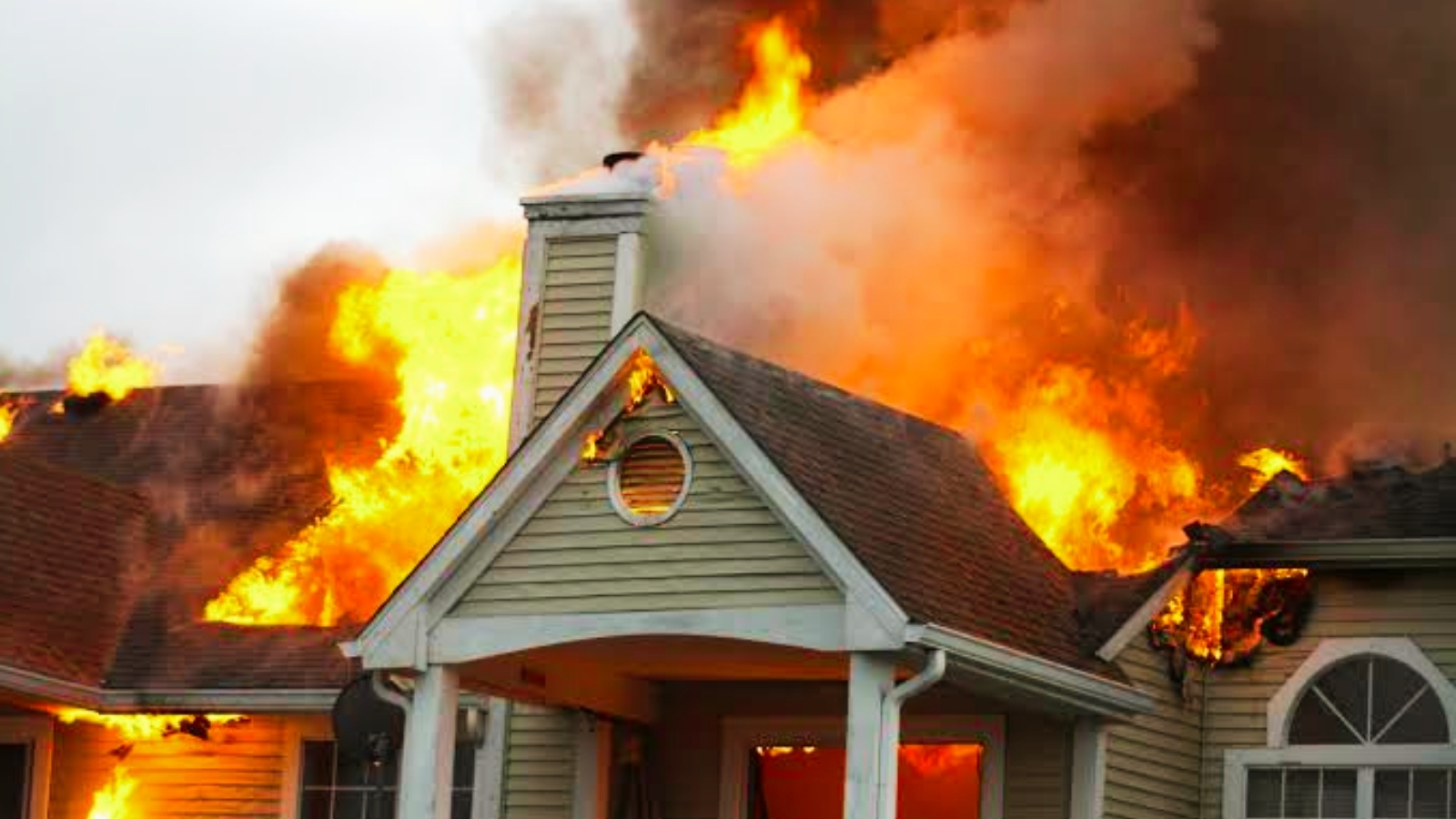
What Is Fire Damage Restoration?
Fire damage restoration is the work of taking a property from the condition the fire department left it in back to a safe, clean, livable building. It covers securing the structure, removing what burned, cleaning soot residue off everything that did not, drying the water used to put the fire out, treating odor at its source, and rebuilding what was lost.
Most people expect the fire damage and are surprised by the rest. Flames may have been confined to one room while soot traveled the whole building through air currents and the HVAC system, and the water used for suppression soaked floors two stories below. A fire job is usually a water job and a smoke job at the same time, which is why the three have to be sequenced rather than handled separately.
The sequence matters because soot residue is acidic. It keeps etching metal, glass, and finished surfaces every day it sits, and the firefighting water keeps feeding mold growth while the structure is unsafe to enter. Our work follows the IICRC S500 standard for the water side and S700 for fire and smoke restoration, which is why we assess all three damage types before anyone starts cleaning.
A house fire is one of the most overwhelming events a homeowner can experience. Beyond the visible fire damage, smoke, soot, and the water used to extinguish the fire can affect nearly every surface in the home.
Fire damage restoration addresses the full scope of recovery — from structural repair and debris removal to smoke odor treatment — helping families and business owners move from disaster back to a livable, safe property.
What To Do Right Now
The steps that limit damage, and the common reactions that make it worse.
Do This Now
- Wait for the fire department to formally release the property before re-entering, even if the fire looks out
- Call your insurance carrier to open the claim and ask what emergency mitigation they expect you to authorize
- Arrange board-up and roof tarping the same day, since an open structure keeps taking damage
- Photograph and video every room before anything is moved or cleaned
- Retrieve essential documents, medication, and valuables if a technician confirms the area is safe to enter
- Keep a written record of lodging, meals, and other expenses, which many policies reimburse under additional living expense
Avoid Doing This
- ×Do not wipe or scrub soot off walls and ceilings, which grinds residue deeper into the surface and turns a cleanable wall into a repaint
- ×Do not run the HVAC system, which pulls soot through the ductwork and deposits it in rooms the fire never reached
- ×Do not shampoo or steam clean carpet and upholstery, since moisture sets soot into the fibers permanently
- ×Do not plug in or switch on appliances and electronics that were exposed to heat, smoke, or suppression water
- ×Do not eat food from the property, including items in sealed packaging, cans, and the refrigerator
- ×Do not wash soot-covered clothing in a household machine, which transfers residue to the drum and to everything washed afterwards
What Causes Fire Damage Restoration Situations
Understanding the source matters, because the same failure repeats until it is addressed.
Kitchen and Cooking Fires
Unattended cooking and grease ignition are the most common residential fire cause. These produce protein soot, which leaves almost no visible residue while carrying a severe odor.
Electrical Faults
Aging wiring, overloaded circuits, failed breakers, and damaged extension cords ignite inside walls and attics, where a fire can spread through framing before anyone sees smoke.
Heating Equipment
Space heaters, fireplaces, and furnaces cause a concentration of fires during Texas cold snaps, often when heaters run near furniture, bedding, or curtains.
Wildfire Exposure
Drought conditions across Central and West Texas raise wildfire risk, and properties well outside the burn perimeter still take smoke, ash, and ember damage.
Appliance and Dryer Failures
Clothes dryers with lint-packed venting, failed appliance motors, and overheating equipment start fires in laundry rooms and garages where detection is often delayed.
Smoking and Open Flame
Discarded smoking materials and unattended candles ignite upholstery and bedding, producing slow smouldering fires that generate heavy wet soot before flames appear.
How To Tell You Need This Service
Signs To Watch For
- Visible charring, blistered paint, or heat-warped materials on walls, ceilings, or framing
- Black or gray residue on surfaces, including rooms away from where the fire burned
- A persistent smoke odor that intensifies when the building warms up or humidity rises
- Yellow or brown staining appearing on walls, ceilings, and around air vents
- Standing water, saturated carpet, or water staining on lower floors from suppression efforts
- Soot deposits around HVAC registers, which indicate the system circulated smoke
- Discolored, tarnished, or pitted metal fixtures, hardware, and appliance finishes
When This Service Applies
- A kitchen, electrical, or structure fire occurs
- Smoke damage spreads beyond the immediate fire area
- Water damage follows firefighting efforts
- A property needs to be secured and assessed after a fire
Problems It Solves
- Structural damage from flames and heat
- Smoke and soot residue throughout the property
- Water damage from firefighting efforts
- Persistent smoke odor
- Damaged electrical, HVAC, and plumbing systems
What Happens While You Wait
Damage progresses on its own schedule. This is roughly how it unfolds.
Acidic Residue Settles
Soot begins etching glass, mirrors, chrome, and appliance finishes almost immediately. Metal fixtures start to tarnish and porous surfaces begin absorbing odor compounds.
Staining Sets In
Walls, ceilings, and countertops start taking permanent discoloration. Suppression water soaks into subfloor and wall cavities, and in Texas humidity the drying clock is already working against the structure.
Mold and Corrosion
Mold establishes in materials still wet from firefighting. Soot residue corrodes metal past the point of cleaning, and odor penetrates deeper into framing, insulation, and contents.
Salvage Window Closes
Items that could have been cleaned need replacing, wall and ceiling finishes need full replacement rather than cleaning, and odor treatment requires sealing framing instead of surface work.
Our Process
What actually happens from the first call through to final verification.
- 1
Emergency Board-Up
Openings are secured to protect the property from weather and unauthorized entry.
- 2
Damage Assessment
Our technician assesses structural, smoke, and water damage throughout the property.
- 3
Debris Removal
Damaged materials and debris are removed to prepare for restoration.
- 4
Smoke & Soot Cleanup
Surfaces are cleaned and treated to remove soot and reduce smoke odor.
- 5
Repair & Rebuild
Structural repairs are made to return the property to a safe, livable condition.
The Equipment We Use
Restoration outcomes depend on the right equipment used correctly, and on measuring the result.
Board-Up and Tarping Materials
Openings are secured and damaged roof sections covered before cleaning starts, so weather and entry stop adding to the loss.
HEPA Vacuums and Air Scrubbers
HEPA filtration captures fine soot particles during removal and keeps airborne residue from resettling into rooms already cleaned.
Dry Chemical Sponges
Dry sponges lift loose soot from walls and ceilings without moisture, which is what prevents residue from being pressed into the surface.
Extraction and Drying Equipment
Suppression water is extracted and the structure dried with air movers and LGR dehumidifiers, monitored to measured targets.
Hydroxyl and Thermal Fogging Systems
Odor is treated at the molecular level, with hydroxyl generators that can run during occupancy and thermal fogging that reaches the pathways smoke traveled.
Contents Inventory and Packout
Belongings are photographed, inventoried, and moved off-site for cleaning and storage where on-site cleaning is not practical.
The Four Kinds of Damage a Fire Leaves
A fire loss is really four overlapping problems, and each one has its own method, its own urgency, and its own effect on what can be saved. Treating only the visible burn leaves the other three to keep causing damage after the crew has gone.
Heat and Structural Damage
Direct flame contact and radiant heat char framing, warp metal, melt plastics and wiring insulation, and compromise structural members. This damage is confined to where the fire burned and reached, and it determines how much demolition and rebuilding the job requires.
Smoke and Soot Deposits
Soot travels on air currents far beyond the fire, settling on every surface including inside cabinets, drawers, and wall cavities. Because it is acidic, the damage continues while it sits, which is why soot removal is treated as urgent rather than cosmetic.
Suppression Damage
Firefighting introduces a large volume of water into the structure, and that water sits while the building is unsafe to enter. It saturates subfloor, insulation, and lower stories, creating a water loss that runs on the same 24 to 48 hour mold clock as any other.
Smoke Odor Penetration
Odor compounds absorb into drywall, insulation, framing, carpet, upholstery, and clothing, and they re-release when the building warms or humidity rises. Surface cleaning alone does not resolve it, which is why odor is treated as its own phase with its own equipment.
What's Included
- Emergency board-up and securing of the property
- Fire and water damage assessment
- Debris removal
- Smoke and soot cleanup
- Structural repair and rebuilding
Homes and Businesses
The work differs depending on what the building has to do once we leave.
Residential
In homes, we work around what the family needs back first. Documents, medication, and irreplaceable belongings get recovered early, the structure gets secured the same day where possible, and we tell you plainly whether the property is safe to occupy during the work. Where a fire was confined to one room, we still check the rest of the house, because soot and odor reach rooms that look untouched and suppression water usually traveled downward into ceilings and floors below.
Commercial
For businesses, the question is usually how much of the operation can keep running. We isolate the damaged area, prioritize cleaning and drying in the spaces that get you trading again, and handle inventory and equipment assessment alongside the building. Commercial fire losses often involve business interruption coverage and multiple interested parties, so we document scope and conditions to a standard that holds up when several reviewers examine it.
Working With Your Insurance
Fire is among the most consistently covered perils in Texas homeowner and commercial property policies, including the smoke, soot, and water damage that resulted from the fire and from putting it out.
Most policies expect you to take reasonable steps to prevent further damage once the fire is out, which is why board-up and roof tarping are usually treated as covered emergency mitigation rather than something to wait on.
Additional living expense coverage reimburses lodging, meals, and related costs while a home is uninhabitable. Keeping receipts from the first night matters, since reimbursement generally depends on documentation rather than estimates.
We photograph conditions before cleaning begins, inventory contents during packout, log drying readings, and produce scope documentation your adjuster can verify. We coordinate directly with most major carriers, though the coverage decision rests with your insurer.
What We Provide For Your Claim
Photo documentation of conditions before work begins, daily readings logged throughout, an itemized record of affected materials, and scope documentation your adjuster can verify. We coordinate directly with most major carriers. The coverage decision always rests with your insurer, and we do not promise an outcome.
What Affects the Cost
We assess the property before quoting, because the variables below change the scope substantially.
- How much of the structure burned and how much framing, drywall, and roofing must be replaced
- How far soot traveled and the total surface area requiring cleaning rather than repainting
- The type of soot present, since protein and wet soot require more labor than dry soot
- Volume of suppression water and how many rooms and floors it reached
- Whether HVAC ductwork requires cleaning or replacement
- Number of contents requiring cleaning, deodorizing, packout, and off-site storage
- Severity of odor penetration and whether framing must be sealed
- Finish level of the reconstruction and how much of the property is rebuilt
Why We Don't Quote Over the Phone
A figure given before anyone has seen the property is a guess, and the guesses that sound attractive on the phone tend to grow once work starts. We inspect, scope the job against what we actually find, and give you that in writing.
How Long It Takes
Securing the property, assessing damage, and extracting suppression water generally happen within the first day or two. Structural drying then runs on its own schedule, commonly three to seven days with daily monitoring.
Soot cleaning and odor treatment typically take one to three weeks depending on how far residue traveled, how many contents need handling, and whether a packout is involved.
Reconstruction is the longest phase and varies widely. A single room with smoke damage may rebuild in a few weeks, while a structural fire affecting framing, roofing, and systems can run several months, depending on scope approval, permits, and material availability.
Why Texans Choose Us for Fire Damage Restoration
All Three Damage Types Handled
Fire, smoke, and suppression water are assessed and sequenced as one job, so nobody dries the water while soot keeps etching the finishes.
Same-Night Securing
An open structure keeps taking weather and entry damage. Our line is staffed around the clock and board-up can usually happen the same day the fire is out.
Contents Documented and Tracked
Belongings are photographed and inventoried before packout, so you know what went where and your claim has an itemized record.
Claim-Ready Scope
Conditions, moisture logs, cleaning methods, and material inventories are recorded as we work, which is what adjusters ask for on fire claims.
Fire Damage Restoration Across Texas
Texas faces fire risk from multiple directions — electrical and kitchen fires year-round, and an elevated wildfire risk in parts of Central and West Texas during dry, hot summer months and periods of drought. Fast board-up and restoration response helps limit secondary damage after any fire event.
247 Restore Texas provides licensed, insured fire damage restoration across all 926 Texas cities we cover, from major metros to small communities and unincorporated areas. Rural properties get the same equipment, process, and documentation as metro jobs.See all service areas →
Fire Damage Restoration in Your City
Select a major metro, or browse the full statewide directory.
Services That Often Go Together
Smoke & Soot Cleanup
Specialized smoke and soot cleanup to remove residue and odor from walls, ceilings, HVAC systems, and belongings after a fire.
Emergency Board-Up & Tarping
Fast emergency board-up and roof tarping to secure and protect your Texas property after fire or storm damage.
Water Damage Restoration
Rapid water extraction, structural drying, and full restoration after a leak, storm, or flood damages your Texas property.
Frequently Asked Questions
What should I do immediately after a house fire?
Make sure everyone is safe, contact your insurance provider, avoid re-entering until authorities confirm it's safe, and arrange for the property to be boarded up and assessed.
Can smoke odor really be removed?
Yes, with proper cleaning, deodorizing treatments, and sometimes replacement of heavily affected materials like carpet or drywall, smoke odor can typically be resolved.
Is fire damage restoration covered by insurance?
Most homeowner and commercial property policies cover fire damage, though the specifics depend on your policy. Our team can help document damage for your claim.
How long does fire damage restoration take?
Timelines vary widely based on severity — from a few weeks for smoke and soot cleanup to several months for major structural rebuilds.
Do you handle both residential and commercial fire damage?
Yes, our team has experience with both residential and commercial fire damage restoration.
Why is there water damage when the fire was in one room?
Firefighting introduces a large volume of water, and it runs downward and outward through the structure while the building is still unsafe to enter. A kitchen fire routinely leaves saturated ceilings and flooring on the story below, which has to be dried on the same 24 to 48 hour timeline as any other water loss.
Can my belongings be cleaned, or do they all have to be replaced?
A great deal can be cleaned, including hard goods, many textiles, and electronics that were not heat-damaged. What drives the decision is the soot type, how long residue sat, and whether odor absorbed into porous material. We inventory contents and tell you item by item rather than writing everything off.
Why can I still smell smoke after everything was cleaned?
Odor compounds absorb into drywall, insulation, framing, and carpet, and they re-release when the building warms or humidity rises. Surface cleaning does not reach them. Resolving it takes odor treatment that penetrates the same pathways the smoke took, and sometimes sealing framing before rebuild.
Do I need to move out during fire restoration?
That depends on how much of the property is affected, whether utilities are safe, and whether odor and soot can be contained away from sleeping areas. We assess it and tell you plainly. If the home is uninhabitable, your additional living expense coverage generally applies.
Should the HVAC system be cleaned after a fire?
It should be inspected in any case, and cleaned if the system ran during or after the fire. Ductwork holds soot and releases it back into cleaned rooms once the system starts up, which is a common reason a property smells of smoke again weeks after restoration.
Need Fire Damage Restoration Now?
Get a licensed technician to your property. Free estimate, no obligation.
Call Now — (866) 370-1338