247 Restore Texas
4 Services

Water Damage Services in Texas

Four services covering every way water gets where it should not be, from a failed supply line to a sewer backup. Licensed, insured, and answered any hour.

Water Damage services in Texas
24/7 Response
Every day of the year
Licensed & Insured
Including Texas mold licensing
926 Texas Cities
All 254 counties covered
Insurance Support
Claim-ready documentation

What Water Damage Covers

Water damage is the most common restoration call in Texas and the one where delay costs the most. A supply line that fails at 2am releases water for hours before anyone notices, and by morning it has traveled along joists, soaked into subfloor, and wicked up inside walls where nothing looks wet from the room.

What separates a manageable loss from an expensive one is rarely the volume of water. It is how contaminated that water is, how much material absorbed it, and how long it sat. Those three variables decide whether a floor can be dried in place or has to come out, and whether the job finishes in four days or four weeks.

Our four water services map onto the different ways water arrives. The work overlaps heavily, so a single job often draws on more than one of them, and we scope the whole situation rather than booking you for the one service you happened to name on the phone.

Our Water Damage Services

Each one handles a different situation. The overview under each explains where it fits.

Water Damage Restoration in Texas

Water Damage Restoration

Rapid water extraction, structural drying, and full restoration after a leak, storm, or flood damages your Texas property.

The core service. Extraction, structural drying to a measured target, and repair of what the water damaged. Everything else in this category either feeds into this or is a specialized version of it.

Flood Damage Cleanup in Texas

Flood Damage Cleanup

Emergency flood water removal and cleanup for Texas homes and businesses impacted by storms, heavy rain, or overflow flooding.

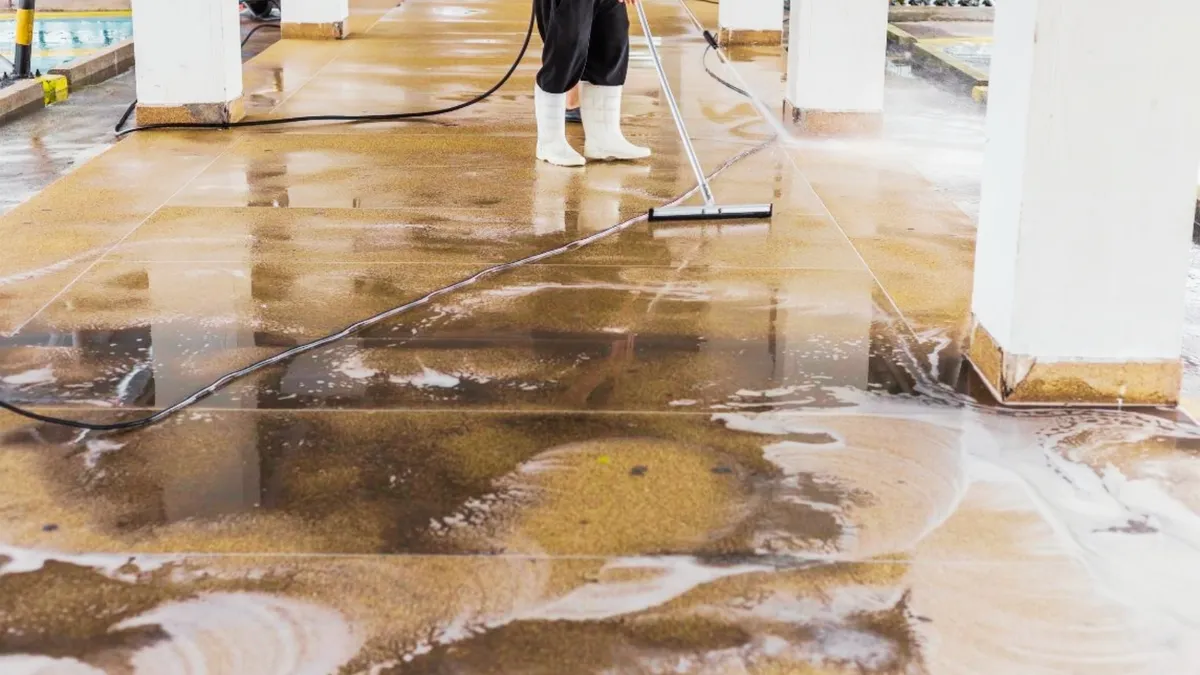
For water that entered from outside at ground level. Handled differently because floodwater is contaminated by definition, which means removal of porous materials rather than drying them in place.

Burst Pipe Repair & Cleanup in Texas

Burst Pipe Repair & Cleanup

Emergency cleanup and water damage repair following a burst or frozen pipe inside your Texas home or business.

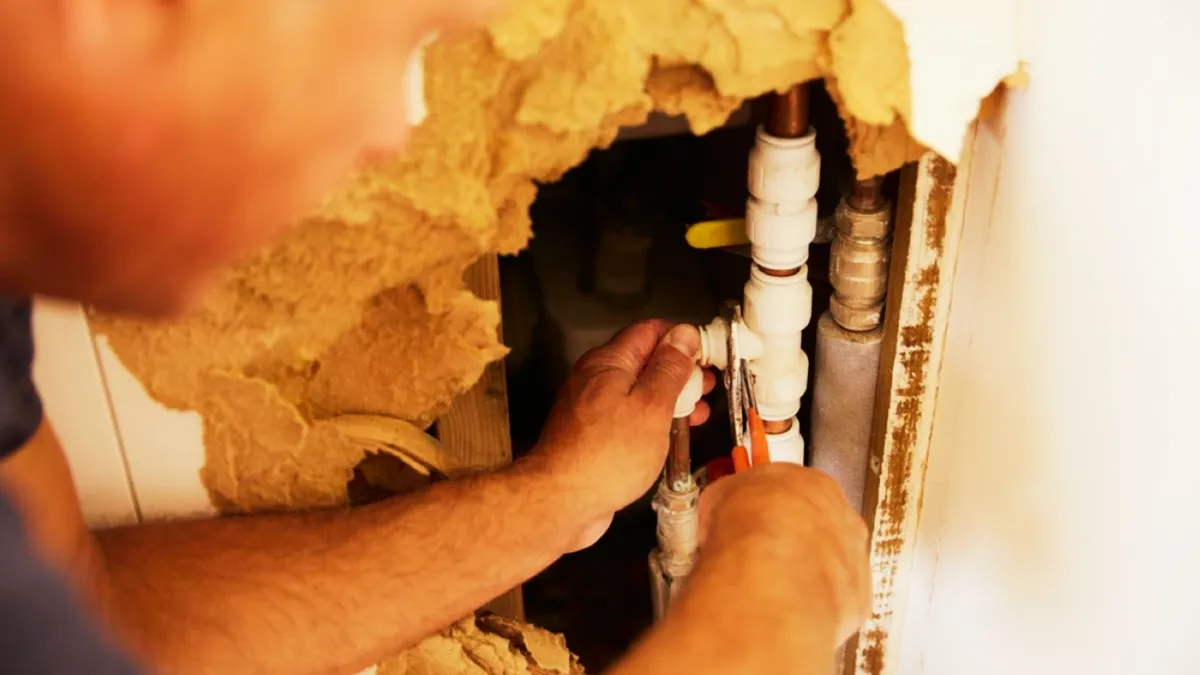
Combines the plumbing repair with the drying work. Fixing the pipe without drying what it soaked is how a one-day repair becomes a mold problem a month later.

Sewage Cleanup & Restoration in Texas

Sewage Cleanup & Restoration

Safe, sanitary sewage backup cleanup and restoration for Texas properties affected by sewer line failures and black water intrusion.

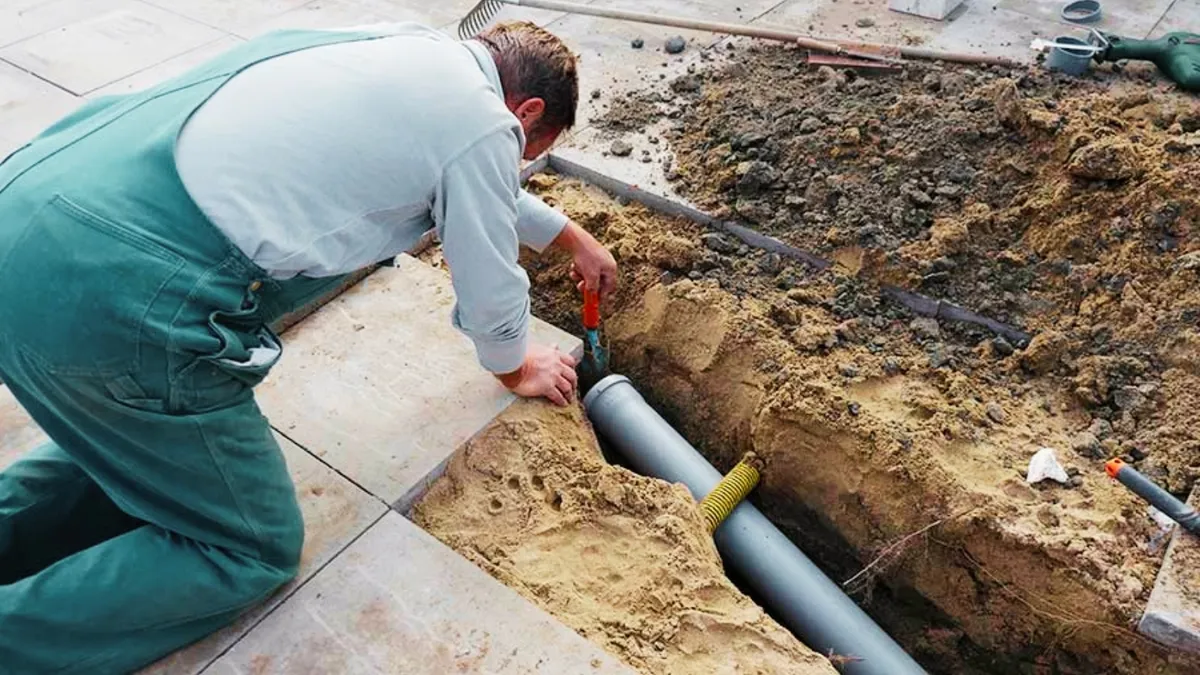
Wastewater is the most contaminated category of water loss. Containment, protective equipment, and disposal of affected porous materials come before any drying starts.

Which Service Do You Need?

Match what you are seeing to the service that fits. If none of these quite describe it, call and we will work it out.

Clean water from inside the building

A supply line, water heater, or appliance failed. Start with water damage restoration. If the source is still leaking or the pipe split during a freeze, burst pipe repair handles the plumbing alongside the drying.

Water came in from outside

Storm runoff, a rising creek, or street flooding reached the building. That is flood damage cleanup, and it is handled as contaminated water regardless of how clean it looks.

Wastewater backed up

A drain, toilet, or floor drain pushed water back into the building, or a septic system failed. Sewage cleanup, no matter how small the affected area appears.

You can smell it but cannot find it

A musty odor with no visible water usually means a slow leak inside a wall, under a slab, or in a crawl space. Water damage restoration starts with locating it using moisture meters and thermal imaging.

It happened during a freeze

Burst pipe repair. Lines in attics, garages, and exterior walls split when they freeze, and the water usually releases when the ice thaws rather than when the pipe broke.

The floor feels warm or damp in one spot

That pattern points to a slab leak on a hot-water line. Water damage restoration covers locating it, coordinating the repair, and drying the slab afterward.

Most Jobs Need More Than One

Real water jobs rarely stay inside one service. A burst pipe in an attic is a plumbing repair, a water damage restoration job across three rooms, and often a mold remediation project if it ran unnoticed for a weekend. A storm that floods a ground floor can also back up the sewer line serving the building, which turns one loss into two different contamination levels in the same structure.

That is why we assess the whole property before scoping anything. Treating the sewage backup in a utility room while ignoring the clean-water loss two rooms over leaves half the building wet, and the two halves do not dry independently when they share framing and air.

It also affects what can be saved. Clean water that has sat for two days is no longer clean, so a job booked as a straightforward drying project may need the handling that contaminated water requires. We would rather tell you that at the inspection than discover it halfway through.

What Causes Water Damage

Understanding the source matters, because the same failure repeats until it is addressed.

Supply Line and Appliance Failures

Braided hoses, shut-off valves, water heaters, and refrigerator ice lines fail with age. A quarter-inch line moves hundreds of gallons a day when nobody is home to notice.

Winter Freeze Bursts

Texas plumbing commonly runs through attics, garages, and exterior walls because the housing stock was built for heat. Hard freezes split those lines statewide, as Winter Storm Uri demonstrated in February 2021.

Storm and Roof Intrusion

Hail-damaged shingles and wind-lifted flashing let rain into attics and wall cavities, where it often goes unnoticed until a ceiling stains weeks later.

Flooding and Drainage Overload

Gulf Coast tropical systems and Central Texas flash flooding both put water into buildings faster than drainage can carry it away.

Foundation and Slab Movement

Expansive clay through the Blackland Prairie belt shifts with every wet and dry cycle, stressing supply lines running under and through slabs.

Sewer Line Failures

Root intrusion and collapsed clay laterals in older urban neighborhoods push wastewater back into the lowest fixtures in a building.

What Happens While You Wait

First Hours

Water Spreads

Water follows framing and gravity well past where it started, soaking into drywall, carpet padding, and subfloor. Finishes begin absorbing immediately.

24 to 48 Hours

Clean Water Stops Being Clean

Water picks up soil and bacteria from the materials it sits in, moving from Category 1 toward Category 2. Mold can begin establishing in the same window.

2 to 7 Days

Materials Fail

Drywall loses integrity, wood swells and warps, fasteners corrode, and mold spreads through wall cavities and into HVAC runs.

Beyond a Week

Drying Becomes Rebuilding

What could have been dried in place becomes demolition and reconstruction. Occupancy may no longer be safe, and insurers look harder at delayed mitigation.

Our Process

  1. 1

    Identify the Source and Stop It

    Nothing dries while water keeps arriving. We find what failed, stop it, and coordinate the repair where plumbing is involved, before any drying equipment goes in.

  2. 2

    Categorize the Water

    Clean, gray, or black water determines what protective measures the job needs and what can be salvaged. This single judgment shapes the rest of the scope, so it is made on inspection rather than over the phone.

  3. 3

    Map the Moisture

    Moisture meters and thermal imaging trace how far water actually traveled, including inside wall cavities and under flooring. The readings define the work area rather than a guess about where it looks wet.

  4. 4

    Extract and Remove

    Standing water comes out first, since extraction removes it far faster than evaporation. Contaminated porous materials are cut out to a clean margin and disposed of properly.

  5. 5

    Dry to a Target

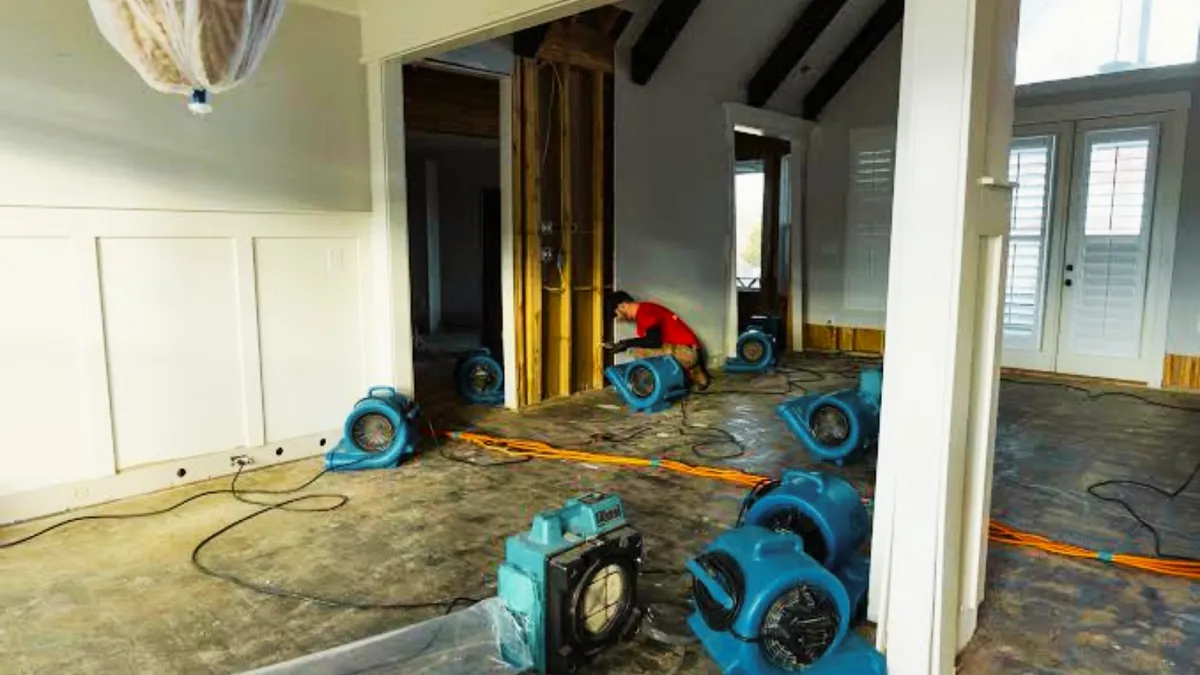
    Air movers and LGR dehumidifiers run together, with readings logged daily at fixed points, until materials reach the moisture content of comparable dry material in the same building.

  6. 6

    Repair and Verify

    Damaged materials are replaced, final readings confirm the structure is dry, and you get the documentation package covering what was found, done, and removed.

The Equipment We Use

Extraction Equipment

Truck-mounted and portable extractors pull standing water and the water trapped in carpet and padding. Submersible and trash pumps handle volume and silt on flood work.

Air Movers

Positioned to create directed airflow across wet surfaces, which accelerates evaporation out of materials and into the air where a dehumidifier can remove it.

LGR Dehumidifiers

Low-grain refrigerant units pull that evaporated moisture back out of the air, so the structure keeps releasing water instead of reaching equilibrium with a humid room.

Moisture Meters and Thermal Imaging

Penetrating and non-penetrating meters establish moisture content in materials, while thermal cameras reveal the temperature differences that indicate hidden water.

Antimicrobial Treatment

EPA-registered products applied to affected surfaces inhibit microbial growth during the days a structure spends drying.

Containment and HEPA Filtration

On sewage and flood work, negative air machines and HEPA filtration keep contaminants inside the work area rather than circulating through the building.

Working With Your Carrier

Texas policies generally cover sudden and accidental water damage, such as a burst supply line or a failed water heater. Gradual leaks, long-term seepage, and deferred maintenance are commonly excluded, which is why documenting the point of failure matters from the first hour.

Flood is a separate peril. Water entering from outside at ground level is excluded from standard homeowner policies and needs flood coverage, typically through the National Flood Insurance Program or a private flood carrier. Along the coast, wind-driven rain may fall under a Texas Windstorm Insurance Association policy instead.

Sewer backup is frequently its own endorsement with its own sublimit, separate from the main dwelling coverage. A great many property owners discover this only after a backup happens, so it is worth checking with your agent before you need it.

Most policies also obligate you to mitigate, meaning you are expected to take reasonable steps to limit further damage rather than waiting for an adjuster. Starting professional drying promptly usually supports a claim rather than jeopardizing it.

What Affects the Cost

We assess the property before quoting, because these variables change the scope substantially.

  • How much area the water reached, and whether it crossed between rooms or floors
  • Water category, since contaminated water requires containment, protective equipment, and disposal
  • Drying class, which sets how much equipment runs and for how many days
  • Which materials absorbed the water, as hardwood, plaster, and tile assemblies release moisture far more slowly than carpet
  • How much controlled demolition is needed to reach water trapped in cavities
  • Whether contents need cleaning, drying, or off-site storage
  • Access difficulty, including crawl spaces, second stories, and tight utility areas
  • Whether reconstruction follows the drying, and the finish level being restored

Why Water Damage Behaves Differently in Texas

Humidity is the variable that changes everything here. Through much of the year and across most of the state, ambient air holds enough moisture that saturated materials will not dry on their own. A room can feel dry while the framing behind the drywall still reads wet on a meter, and that trapped moisture is what turns a contained incident into a mold problem weeks later.

The construction compounds it. Texas plumbing is routinely routed through unconditioned attics, garages, and exterior walls, because the housing stock was built for heat rather than sustained cold. When a hard freeze arrives, those lines split and the water comes down through ceilings into several rooms at once rather than pooling at floor level.

Soil adds a third factor. Expansive clay across a wide band of the state swells and shrinks with every wet and dry cycle, stressing slabs and the supply lines running through them. Slab leaks that result tend to surface slowly, showing up as a warm patch on the floor, a persistent musty smell, or a water bill that climbed without any change in how the property was used.

Why Texans Choose Us for Water Damage

We Dry to a Number

Equipment comes out when moisture readings meet target for those materials, not when a room looks dry or the schedule says the job should be finished.

Answered Any Hour

Water damage worsens by the hour and most of it starts outside business hours. Our line is staffed around the clock, every day of the year.

Repair and Drying Together

The plumbing fix and the restoration are handled as one job, so nobody walks away leaving saturated framing behind a closed wall.

Claim-Ready Documentation

Photos before anything is touched, daily moisture logs, itemized material records, and scope notes your adjuster can verify.

Water Damage Services in Your City

Available in all 926 Texas cities we cover, across every one of the 254 counties.

Browse all 926 Texas cities →

Frequently Asked Questions

Which of these four services do I actually need?

It depends on where the water came from. Inside the building and clean points to water damage restoration, with burst pipe repair if a pipe failed. From outside at ground level is flood damage cleanup. Wastewater of any volume is sewage cleanup. If you are unsure, describe what you see on the phone and we will work it out.

Can one job involve more than one of them?

Frequently. A freeze burst is both a plumbing repair and a drying project. A storm can flood a ground floor and back up a sewer line in the same building. We scope the whole property rather than treating one part of it and leaving the rest wet.

How long does drying take?

Three to five days is common for a contained loss in one or two rooms, longer where water reached subfloor, wall cavities, or several rooms. Materials like hardwood, plaster, and concrete release moisture slowly and extend the schedule. We project a timeline after inspection and update it as the readings come in.

Why can I not just run fans and a household dehumidifier?

Household equipment dries surfaces while leaving moisture trapped inside drywall, insulation, and subfloor. That hidden moisture is what causes mold growth and cupped flooring weeks later. Professional drying pairs airflow with dehumidification sized to the space and verifies the result with meters rather than by touch.

Is flood damage covered by my homeowner policy?

Almost certainly not. Standard Texas policies exclude rising water from outside, which requires separate flood coverage. An internal failure like a burst pipe is a different peril and is usually covered. The distinction turns on where the water came from, which is one reason we document the entry point before work starts.

Do you have to tear out walls and flooring?

Not always. Many assemblies dry in place with targeted airflow and injection drying. We remove material when it is contaminated, structurally compromised, or holding water that cannot be reached otherwise, and we explain why before anything is cut.

What makes sewage different from other water damage?

Wastewater carries bacteria, viruses, and parasites, which classifies it as Category 3. That means containment, protective equipment, disposal of affected porous materials, and disinfection of what remains, rather than drying things in place. The area should stay closed off until it is handled properly.

Do you serve smaller towns, or only the metros?

We cover 926 Texas cities across all 254 counties, and a large share of those are small communities and unincorporated areas. Rural properties get the same equipment, process, and documentation as metro jobs.

Still Not Sure?

If water has reached somewhere it should not be, the useful thing to do is call and describe it. We will tell you which service fits, what it is likely to involve, and what you can do before a technician arrives.

Need Water Damage Help Now?

Get a licensed technician to your property. Free estimate, no obligation.

Call Now — (866) 370-1338
Call 24/7 — (866) 370-1338